
Ten new strategic innovation projects will accelerate the transition towards more sustainable, efficient and resilient urban mobility across Europe. Selected through the second cut-off of the Strategic Innovation Open Call, the projects bring together 64 partners from 16 countries. The projects will develop and deploy solutions addressing some of the most pressing challenges faced by cities, transport authorities and mobility providers.
Covering five strategic areas; urban logistics, public and shared transport, mobility data management, mobility and health, and electrification and alternative fuels, the projects 2SURF, ADEPT, BATTERYSENSE, BIBO-Next, CAISE, EUBSI, P-BUD, PLANET, SMUCE and TWINCHARGE_CITY_PLANNER span topics ranging from battery intelligence and shared mobility to urban freight and data-driven transport planning. Together the projects will receive more than €14 million in EIT Urban Mobility funding.
Launched in 2025, the Strategic Innovation Open Call supports ambitious, market-oriented projects with a clear pathway to deployment and scaling. By bringing together cities, industry, research organisations and education partners, the initiative aims to strengthen Europe’s competitiveness. Additionally it seeks to accelerate the adoption of innovative mobility solutions that deliver tangible benefits for citizens.
The Call is now open with the next cut-off date for proposals being 28 January 2027. More information available on the Strategic Innovation Open Call webpage.
2SURF – Using smart reflectors to turn bicycles into urban sensors in European cities
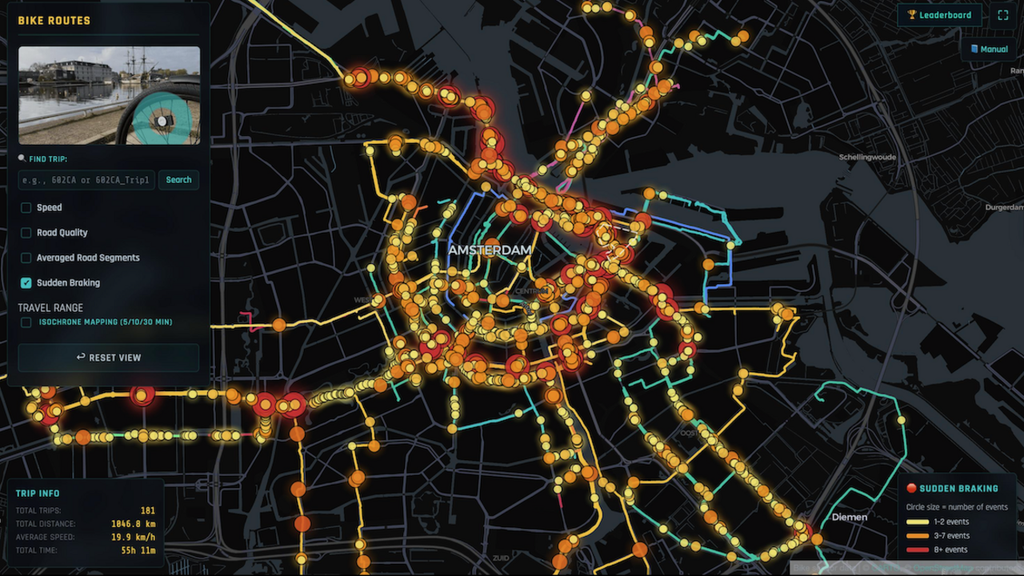
As European cities move towards safer, more sustainable mobility, many infrastructure decisions still rely on outdated surveys, manual counts or assumptions instead of real-time evidence. This is increasingly problematic as cycling, e-bikes, delivery services and micromobility grow, putting greater pressure on already crowded streets. Cycling prevents an estimated 18,000 premature deaths annually in the EU, representing an economic value of €52 billion [1]. Yet cyclist fatalities have not declined in nearly half of EU Member States over the past decade. [2]. Meanwhile, cities are investing in cycling infrastructure, increasing the need for affordable, scalable data to guide these investments.
2SURF is developing an integrated system that combines small affordable sensors with a real-time data and analytics dashboard. The sensors capture cycling, assisted mobility and micromobility behaviour, including movement patterns, speeds and road conditions. The project combines this data with GIS, open mobility datasets and municipal information to identify congestion points, safety risks and accessibility gaps. The platform will provide planners and policymakers with comparable evidence to support infrastructure investment for more inclusive routes.
The team will test sensors in diverse urban environments across Amsterdam, Netherlands; Cascais, Portugal; Hannover, Germany; Valencia, Spain; and another European city. The pilots will generate cross-city evidence while testing the solution with cyclists, commuters, people with reduced mobility and other users.
2SURF aims to help cities replace assumptions with continuous, evidence-based decision-making. It seeks to improve road safety and accessibility, support more efficient infrastructure investment, strengthen inclusive active mobility and accelerate the shift towards sustainable transport. The project will also establish a scalable, commercially deployable Software as a Service framework.
Partners: City of Amsterdam (NL), Los Aparatos GmbH (commercial partner) (DE), Valencia Innovation Capital (ES), hannoverimpuls GmbH (DE), Tapp (commercial partner) (NL), Get2C (PT), Cascais Ambiente (PT) (lead partner)
Total budget: €955,115
Project duration: 1.5 years
ADEPT – Autonomous bus depots for efficient public transport operations
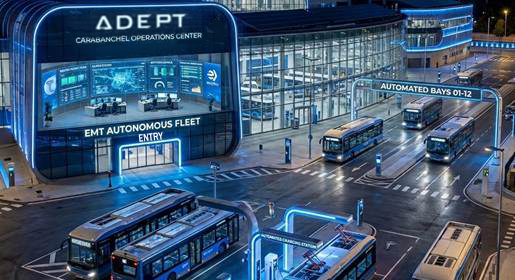
European public transport operators face growing pressure to deliver more frequent, reliable services amid driver shortages and rising operational demands. Around 10% of required bus-driver positions in Europe, approximately 105,000 jobs, were unfilled in 2023 [3]. Depot activities consume valuable driver time without directly serving passengers. These include moving buses between parking, charging, maintenance and washing areas. Studies found calculate that these operations can account for more than 3,300 hours per month in a medium-sized depot [4].
ADEPT will demonstrate an integrated solution that combines autonomous vehicle manoeuvring, digitalised depot infrastructure and intelligent scheduling. The project will equip vehicles with autonomous-driving and communication systems. High-resolution digital maps and connected infrastructure will provide real-time visibility of depot operations. A central management system will optimise routine activities, including charging, maintenance and cleaning. It will consider vehicle schedules, battery state, energy consumption and electricity costs.
The project team will test the solution in two real-world environments. At Madrid’s Carabanchel depot, where it will retrofit a 12-metre electric bus. At Tecnocad’s facility in Turin where it will test a small shuttle. The pilots will demonstrate how operators can replicate the solution across different vehicle types, depot configurations and operating contexts.
ADEPT aims to reduce vehicle downtime by around 10% and cut unplanned downtime by 5–10%. It also aims to increase daily bus trips by up to 3%, without expanding fleets. By making better use of driver time, improving fleet management and optimising electric-bus charging, ADEPT could help operators deliver more efficient and reliable services. It can also support the wider transition to zero-emission mobility.
Partners: Polytechnic University of Turin (IT) (lead partner), TECNOCAD Engineering & Design S.R.L. (commercial partner) (IT), Technical University of Madrid (ES), Madrid Public Transport Company S.A (ES), Carlos III University of Madrid (ES)
Total budget: €2,008,804
Project duration: 2 years
BATTERYSENSE – Scaling circular battery management for Europe’s bus fleets
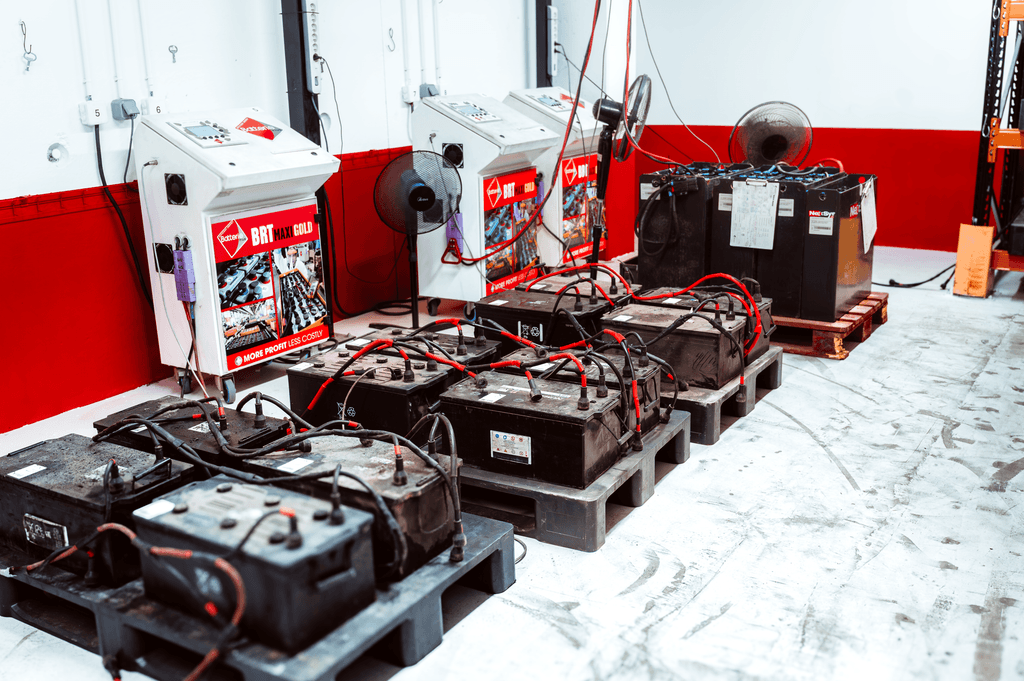
Every bus and coach depends on auxiliary batteries to ensure reliable operation, including electric and hybrid vehicles. Operators typically replace these batteries every year as a precaution. Unexpected failures can prevent vehicles from starting and disrupt services.
For BATTERYSENSE partner Transdev, the scale is substantial. Its fleet includes around 16,000 buses and coaches in France and roughly twice that number worldwide. Meaning Transdev has more than 60,000 batteries in operation. At approximately €250 per battery, annual replacement costs reach €15–30 million. This excludes logistics, maintenance time and operational impacts. The batteries are also 100% imported, creating exposure to supply-chain disruption, price volatility and geopolitical uncertainty. Frequent replacements also generate additional waste.
BATTERYSENSE is developing a more circular approach. It regenerates existing lead-acid starter batteries instead of routinely replacing them with new ones. Controlled electrical treatments and safety checks restore the performance of used batteries. This allows them to return to service instead of being sent for recycling. The project combines this industrial regeneration technology with predictive, fleet-level battery management. Operational data and rapid diagnostics will help operators identify batteries suitable for regeneration. They will also help operators anticipate potential failures and optimise regeneration schedules.
The solution will be tested in Transdev bus fleets in Le Havre, Rouen and Valence, covering urban and interurban operations. The project aims to extend regeneration cycles from the current 12-month standard to 18–24 months. This would make the approach viable for large-scale deployment.
BATTERYSENSE could deliver significant savings. Battery costs could fall by up to 50%, while life-cycle carbon impacts could be up to 70 times lower than replacing batteries with new ones.
By reducing reliance on imported batteries and extending asset lifetimes, BATTERYSENSE aims to support a more circular and cost-efficient public transport system. Local regeneration could also create opportunities to develop technical skills and strengthen supply-chain resilience across Europe.
Partners: be energy (FR) (lead and commercial partner), Aalto University (FI), EDITORIALE DOMUS (IT), TRANSDEV (FR)
Total budget: €1,850,208
Project duration: 1.5 years
BIBO Next – Hardware-free ticketing solution that allows users to travel by public transport without a single touch

Digital ticketing has made public transport easier to access. However, many mobile ticketing systems still confuse passengers across Europe. Most postpaid mobile ticketing solutions require passengers to actively check in when boarding and check out when leaving. These systems can be inconvenient when carrying luggage, travelling with children or using a wheelchair. Forgotten check-ins or check-outs can also lead to incorrect fares, fines and customer service queries. Project lead FAIRTIQ found that up to 26% of users worry about forgetting to check out. Forgotten check-outs also account for 16–18% of customer service enquiries.
BIBO Next is developing a Be-In/Be-Out ticketing solution that removes the need to interact with smartphones during journeys. The system automatically detects when passengers board and leave public transport. It then calculates the correct fare without manual check-ins or check-outs. Passengers can therefore simply “walk and go”, while receiving a consolidated record of their journeys. The solution builds on FAIRTIQ’s existing mobile pay-as-you-go technology. However, it aims to eliminate the additional hardware used by emerging Be-In/Be-Out systems.
This beacon-free, software-only approach could speed up deployment and reduce costs for public transport authorities and operators. It requires no additional infrastructure. The project will validate the technology in Frankfurt, Germany, and the Zlín region of the Czech Republic. Real users will test its usability, journey detection accuracy, privacy perceptions and operational performance.
By the project’s end, BIBO Next aims to deliver a market-ready solution. It targets 95% precision and 97% recall in end-to-end journey detection. The solution aims to simplify public transport and make it more inclusive. It could also reduce ticketing errors and operational friction helping authorities make public transport more attractive.
Partners: FAIRTIQ (CH) (lead and commercial partner), Rhine/Main Regional Transport Association (DE), Zlín Region Integrated Transportation – KOVED (CZ)
Total budget: €2,577,264
Project duration: 2 years
CAISE – Agentic AI helping shared mobility operators align with public transport
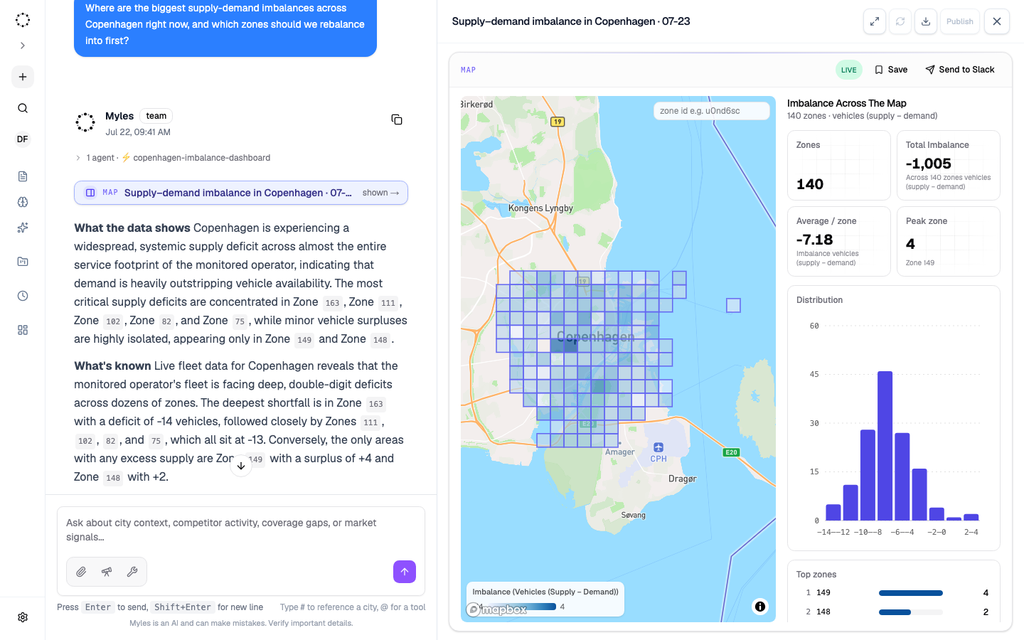
Across European cities, fragmented transport networks can leave significant gaps between public transport hubs and people’s homes, workplaces and destinations. Poor first- and last-mile connectivity can make public transport less attractive and encourage greater reliance on private cars. At the same time, shared mobility and demand-responsive transport operators often lack the real-time visibility and tools needed to adapt their services when public transport is disrupted, demand changes or service gaps emerge.
CAISE is developing an AI-powered platform to help shared mobility and demand-responsive transport operators coordinate services with public transport. Operators will combine their vehicle data with public transport feeds, service disruptions, weather, events and other contextual information. The platform will use these insights to support strategic planning and real-time decisions. It will help operators deploy fleets effectively and respond quickly to delays, strikes and other disruptions.
The solution will be demonstrated in Berlin, Munich and Turin, with the objective of reducing the time operators need to respond to public transport disruptions from around two hours to less than 10 minutes, cutting contextual mobility analysis time by 75%, increasing fleet utilisation during disruptions by 10–15%, and increasing trips served per vehicle by 5–10% in affected areas.
By helping shared mobility respond to the wider transport system rather than operating in isolation, CAISE aims to strengthen first- and last-mile connections, improve resilience during disruptions and make better use of existing fleets. In the longer term, this could support more integrated multimodal networks and make sustainable alternatives to private car travel more reliable and attractive.
Partners: Universitat Politècnica de Catalunya (ES) (lead partner), SWITCH S.R.L (commercial partner) (IT), Wayla (IT)
Total budget: €356,625
Project duration: 1 year
EUBSI – Predicting battery fires up to 60 minutes before they happen
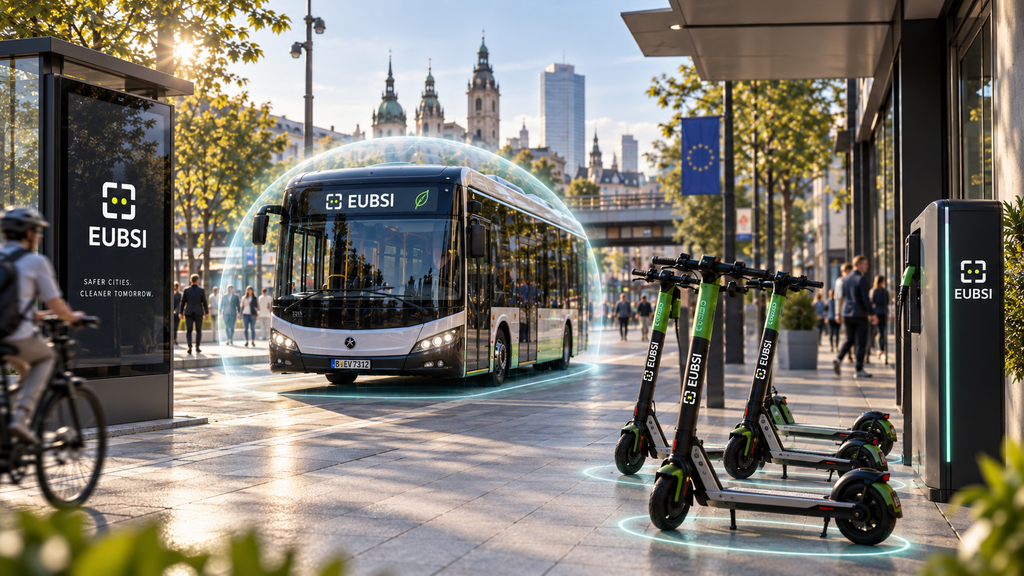
As cities rapidly electrify buses, shared mobility fleets and municipal vehicles, growing numbers of lithium-ion batteries are being concentrated in depots, charging hubs and other confined urban environments. Battery failures can trigger thermal runaway, with fires that spread rapidly, produce toxic smoke and require prolonged cooling, potentially causing serious safety risks, infrastructure damage and major service disruption. UK fire-service data reported by QBE recorded 1,330 lithium-ion battery fires in 2024, up 93% compared with 2022, including 232 incidents involving electric cars [6]. At the same time, European policy is accelerating the transition to zero-emission buses, with EU standards targeting 90% of new city buses to be zero-emission by 2030 and 100% by 2035 [7].
EUBSI is developing a predictive safety intelligence service that aims to identify battery instability before a fire starts. The system will securely combine existing vehicle and charger data, including temperature, voltage, current and charging patterns, with acoustic signals where these can strengthen detection. A physics-informed AI system will convert these inputs into a real-time Battery Risk Index, generating alerts and recommended actions for operators and emergency services. Unlike reactive systems that respond only once temperatures or smoke reach critical thresholds, EUBSI aims to provide an actionable intervention window of up to around one hour, depending on the battery and scenario.
The technology will be validated in real electric bus and e-scooter fleets, including deployments in Oslo, Norway; London, UK; Copenhagen, Denmark; Helsinki, Finland; Hamburg, Germany and Gothenburg, Sweden. The expected impact is safer and more resilient zero-emission mobility, with operators able to identify battery risks earlier, intervene before escalation, reduce potential downtime and losses, and strengthen confidence in the continued electrification of urban transport.
Partners: EPTTAS (NO) (lead and commercial partner), Acoustic Emission Service Oy (FI), Ryde Technology AS (NO) Forster Lamond Limited (UK), Danish Technological Institute (DK), Transport for London (UK)
Total budget: €2,608,924
Project duration: 2 years
P-BUD – Transforming last-mile delivery with mobile smart parcel lockers
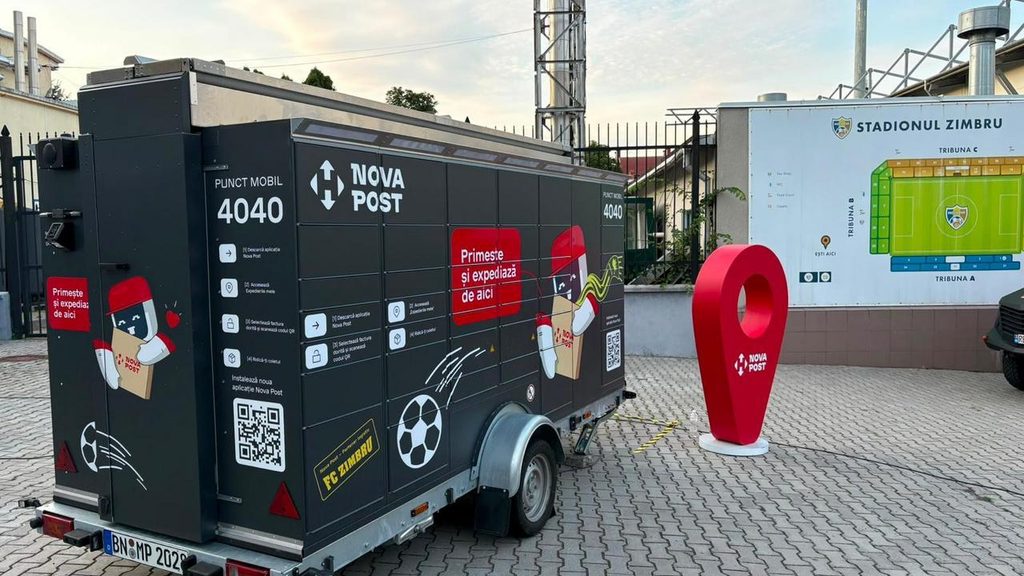
P-BUD is tackling the growing challenge for European cities: how to accommodate rising e-commerce deliveries without adding delivery traffic, congestion and packaging waste? Although e-commerce still accounts for less than 20% of retail in most European markets [8], the courier, express and parcel market grew 6.7% in 2024 [9]. Door-to-door delivery remains dominant, but labour shortages and rising delivery costs limit its ability to scale. Stationary parcel lockers also depend on scarce urban space and long-term site agreements, while delivery vans frequently obstruct streets.
P-BUD will pilot Smarcel, a demand-driven urban delivery system. Instead of repeatedly sending couriers to individual doorsteps, mobile parcel lockers are positioned where demand is highest, allowing recipients to collect parcels at convenient locations. The lockers can fit into a standard parking space, be deployed during off-peak periods and moved as demand changes. The system combines automated depot loading, AI-supported location optimisation and a closed-loop reusable parcel box, reducing manual handling and single-use packaging. The project will test these components with parcel carriers and cities in real-world urban environments, using operational and user data to refine the technology and develop a scalable deployment model.
Partners: Innovative Robot Delivery GmbH (DE) (lead and commercial partner), Fraunhofer IML (DE), Kardex Germany GmbH (DE), Yukawa (DE), CTT – Correios de Portugal (PT), NovaPost (MD), Planzer Transport AG (CH)
Total budget: €3,777,963
Project duration: 2 years
PLANET – Transforming SUMPs from static reports into real-time intelligence with AI
Across Europe, cities face growing pressure to develop and regularly update Sustainable Urban Mobility Plans (SUMPs), while many lack the internal capacity and tools to manage the process efficiently. Under the EU’s TEN-T Regulation, 431 urban nodes must adopt SUMPs by 2027–2030 [10]. Many European cities often depend on external consultants in the preparation of SUMPs, with much of the effort spent on manual activities such as consolidating documents and preparing data. This can make planning slow and costly, leaving less time and budget for implementing measures that improve mobility.
PLANET aims to change this by providing an AI-powered planning platform that turns SUMP preparation and updating into a more continuous, data-driven process. The platform will structure planning documents, integrate multiple mobility datasets, generate governance-ready indicators and support drafting and updating planning content, with traceability to source information. PLANET is designed as a productivity layer to automate repetitive work so consultants and public authorities can focus on analysis, stakeholder engagement and policy decisions. The project will also support Sustainable Urban Logistics Plans and related areas such as freight, climate and electrification.
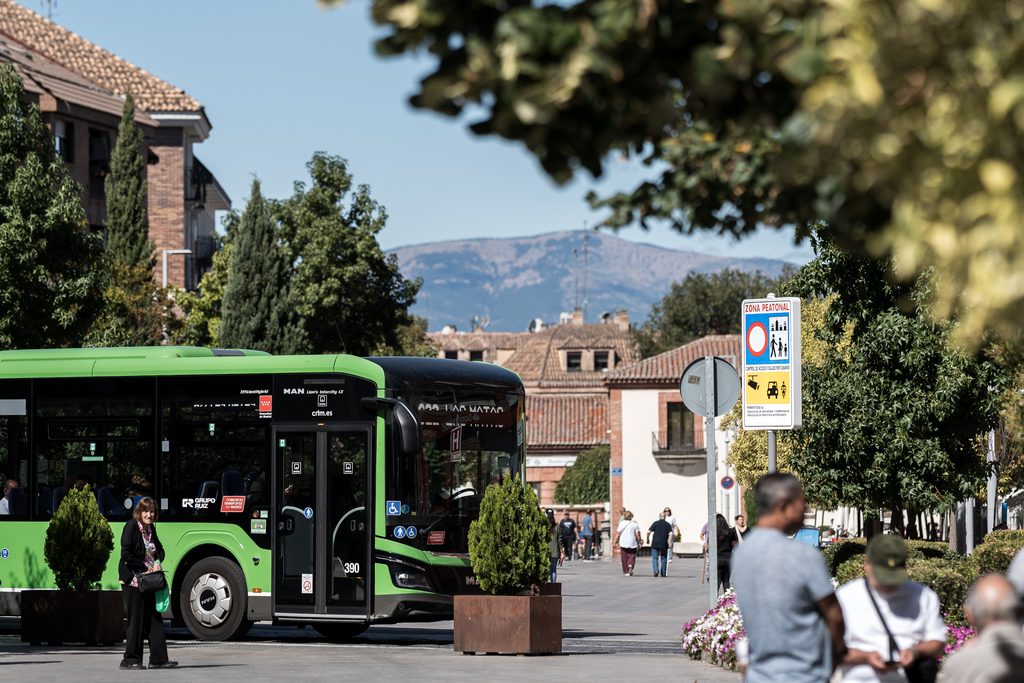
The solution will be demonstrated in Las Rozas, Spain, through a SUMP update process, and in Wiesbaden, Germany, for urban logistics planning. The pilots will assess productivity, output quality, governance readiness and the feasibility of regular six- to 12-month updates.
Partners: Technical University of Madrid (ES), Urban Radar (FR) (lead and commercial partner), Tema Ingenieria (ES), Rupprecht Consult Research & Consulting GmbH (DE), Civil Engineering and Surveying Office, State Capital of Wiesbaden (DE), Municipal Company for Innovation and Technological Development – Las Rozas Innova (ES), Cityfi (NL)
Total budget: €1,530,001
Project duration: 2 years
SMUCE – The first hybrid satellite-ground-AI system pinpointing urban carbon emissions at source
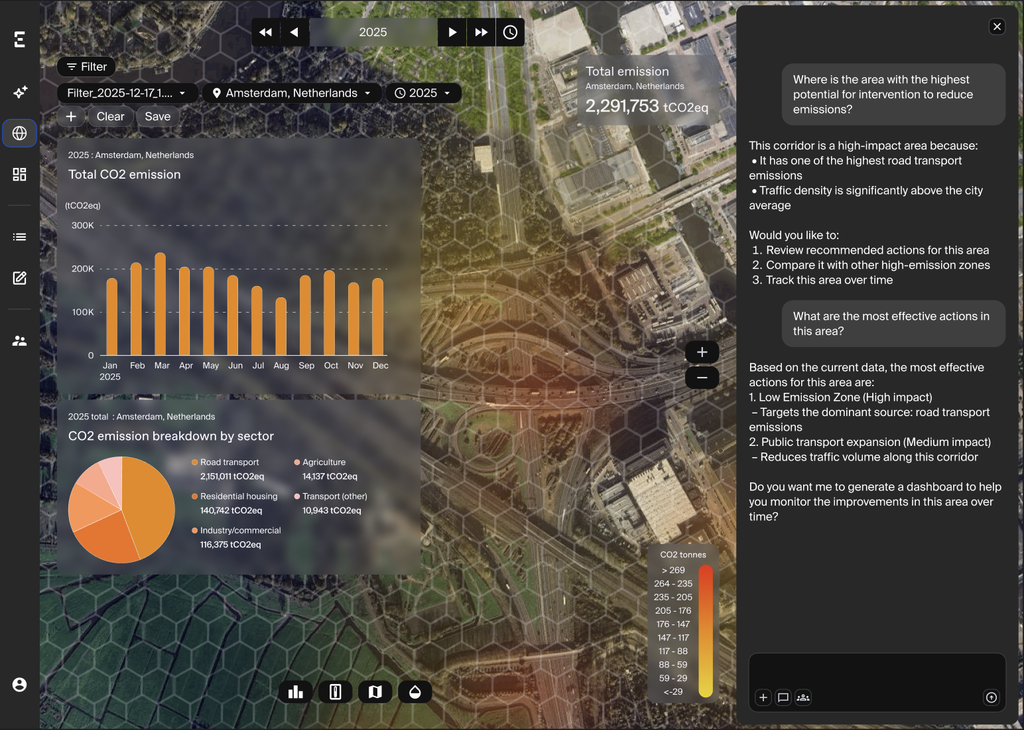
Cities need accurate evidence to understand where emissions come from and whether climate policies are delivering results. Yet current greenhouse-gas inventories often rely on estimates based on fuel sales and traffic models and are produced too infrequently to support rapid policy decisions. The SMUCE project highlights the particular importance of transport which accounts for a third of all EU greenhouse gas emissions and represent one of the largest and fastest-growing urban sources of carbon [11]. More than 50,000 EU companies are also expected to require verified Scope 3 transport emissions data under the Corporate Sustainability Reporting Directive, increasing demand for reliable territorial emissions information [12].
SMUCE will develop an integrated monitoring system combining ground-based sensors, a new low-orbit satellite and artificial intelligence. The system will fuse satellite and sensor measurements to attribute emissions to specific sources, including transport corridors, buildings and logistics hubs, rather than simply providing area-wide averages. It aims to provide high-resolution information at 100-metre scale and deliver emissions data hourly, enabling cities to move from estimating emissions after the fact to continuously measuring, acting and verifying the impact of mobility interventions.
The project will deploy ground sensors across its pilot cities including Mechelen, Belgium and Paris, France and integrate them with the new satellite payload. The project pilots will test the system and its municipal applications, including monitoring low-emission zones, public transport and electric-vehicle impacts.
Partners: City Of Mechelen (BE), Everimpact (FR) (lead and commercial partner), Generalized Retrieval of Atmosphere and Surface Properties (FR), National Centre for Scientific Research (FR), Region Ile-De-France (FR)
Total budget: €3,950,878
Project duration: 2 years
TWINCHARGE_CITY_PLANNER – A digital twin that helps cities plan and procure the right EV charging infrastructure with hyper-local regulatory intelligence
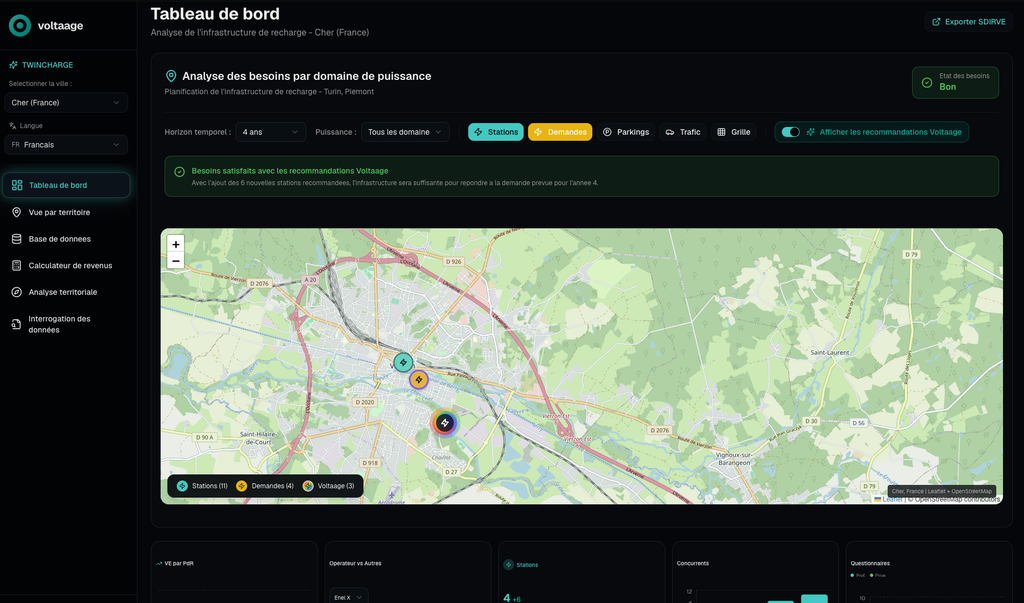
As electric vehicle adoption accelerates across Europe, cities face the growing challenge of ensuring charging infrastructure is available where people actually need it, rather than only where installations are most commercially attractive. The TWINCHARGE project identifies a widening gap in residential and rural areas, with charging ‘deserts’ affecting many European citizens. Although Europe’s battery-electric vehicle market share reached 19% in early 2026 [13] and the public charging network reached 1.1 million points by end of 2025, five times the 2020 level [14], charging infrastructure remains geographically concentrated. Just three EU countries covering over 20% of the EU’s surface area, the Netherlands, France, and Germany, are home to almost two-thirds (61%) of all EU charging points. The remaining 39% of all chargers are distributed throughout 24 member states, covering almost 80% of the region’s surface area [15].
In France and Italy, TWINCHARGE will test an AI-powered Digital Twin that combines traffic, demographics, parking, charging utilisation, grid capacity and other territorial data to forecast charging demand and identify optimal locations for new infrastructure. Its algorithms will balance demand, grid feasibility, territorial equity and accessibility, while allowing planners to simulate different EV adoption and energy scenarios. An AI regulatory assistant will also generate the master plans and tender documentation required by public authorities. The aim is to reduce the conventional 12-month planning process to around three months.
Partners: City of Torino: Piemonte Innova Foundation (IT) (lead partner), SIEGE 27 (FR), MODULO Energy (FR), Boosting Innovation in Poliba (IT), EXPLORIA S.R.L. (IT), Voltaage.io SAS (commercial partner) (FR)
Total budget: €1,053,750
Project duration: 2 years
For more information on the Strategic Innovation Open Call visit the call webpage.
[1] https://www.ecf.com/en/resources/cycling-facts-figures/
[2] https://etsc.eu/wp-content/uploads/PINFLASH_50_FINAL.pdf
[3] https://www.iru.org/system/files/Driver%20Shortage%20Report%202023%20Passenger%20-%20Europe%20-%20Executive%20summary.pdf
[4] Fernández, César & Balaguer, Sergio & Iglesia, Lucía & Espinar, Borja. (2024). Autonomous Bus Depot Management: Operator’s Lessons Learned and Cost Analysis Perspective. https://www.researchgate.net/publication/386139565_Autonomous_Bus_Depot_Management_Operator’s_Lessons_Learned_and_Cost_Analysis_Perspective
[5] https://www.iru.org/system/files/Driver%20Shortage%20Report%202023%20Passenger%20-%20Europe%20-%20Executive%20summary.pdf
[6] https://qbeeurope.com/news-and-events/press-releases/fires-caused-by-lithium-ion-batteries-double-in-two-years/
[7] https://climate.ec.europa.eu/areas-action/transport-decarbonisation/road-transport/lorries-buses-and-coaches_en#co%E2%82%82-emission-standards-for-heavy-duty-vehicles
[8] https://ec.europa.eu/eurostat/statistics-explained/index.php?title=E-commerce_statistics
[9] https://www.cep-research.com/2025/05/05/new-effigy-2025-european-cep-market-analysis/
[10] https://transport.ec.europa.eu/transport-themes/urban-transport/sustainable-urban-mobility-planning-and-monitoring_en
[11] https://www.eea.europa.eu/en/topics/in-depth/transport-and-mobility?activeTab=fa515f0c-9ab0-493c-b4cd-58a32dfaae0a
[12] Ebner, R., Knoth, A. (2025). Reporting of Sustainability Information Under the CSRD. In: Friedl, G. (eds) Decarbonizing German Family Firms. Familienunternehmen und KMU. Springer Gabler, Wiesbaden. https://rdcu.be/uNPJgeg3JsTa
[13] https://theicct.org/publication/european-car-market-monitor-feb-2026/
[14] https://www.reuters.com/business/eu-charging-network-outpaces-ev-sales-infrastructure-targets-met-2026-07-19/
[15] https://www.acea.auto/figure/interactive-map-correlation-between-electric-car-sales-and-charging-point-availability-2023-data/