Is there a smarter way for inclusive cities to manage accessible parking for residents with disabilities?
The Danish city of Aarhus, for one, lacked reliable data on how its designated accessible parking places were actually being used. Without this information, it was a challenge to know if the available supply of parking spots was sufficient to meet the needs of people with disabilities.
To help meet its inclusive mobility goals, Aarhus partnered with Czech startup GoodVision to pilot an innovative visual AI solution to detect parking violations in real-time.
Backed by EIT Urban Mobility, the pilot project successfully demonstrated how cities can leverage emerging technologies to make urban mobility more open for all.
Cost-effective solutions
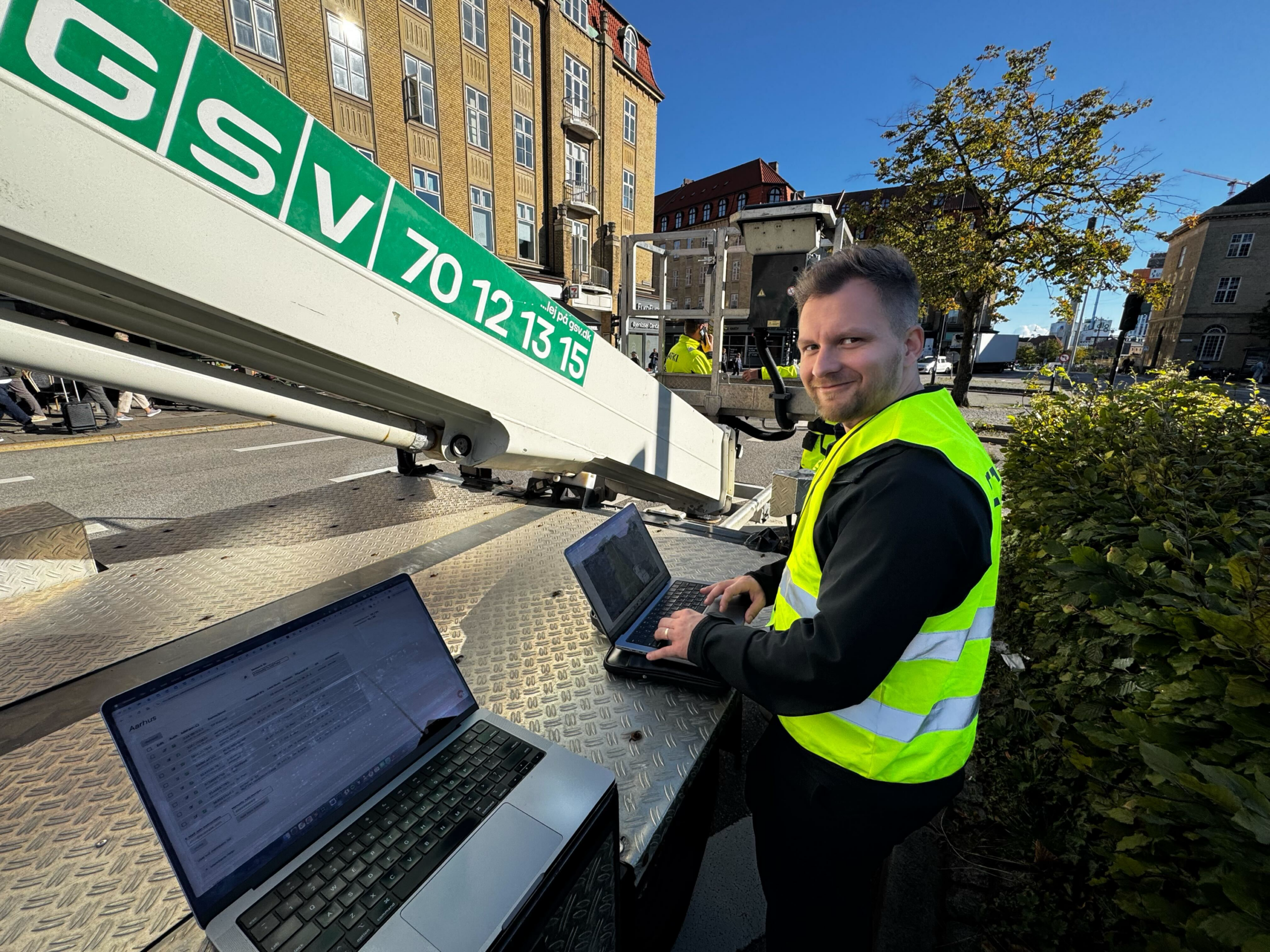
Throughout the duration of the pilot two cameras were deployed in different areas of Aarhus to capture diverse data: one in a residential area, another in a busier commercial area near a train station.
By feeding this real-time data into an easy-to-use dashboard, the solution makes it possible for operators to monitor alerts, analyse historical data and generate reports for improving parking management.
The dashboard can also be available — via mobile phone and desktop — to drivers with disabilities, giving them visibility on whether there is a free designated parking spot where they want to go.
“This has a direct impact because it is another layer to inclusion. It is not just managing whether inclusion is being respected or not but following through and allowing the city to see whether the right policies are being applied,” explained EIT Urban Mobility Project Officer Julia Lazarus.
Unlike other monitoring solutions with expensive sensors and higher operational and maintenance costs, GoodVision’s solution is cost-effective and met the city’s need for a solution that was feasible for the short duration of the pilot, while still offering valuable real-time data.
The system is easily scaled and respects GDPR constraints and the privacy of drivers, pedestrians and other passersby. As an added benefit during those dark Nordic winters, the visual AI can capture data in all lighting and weather conditions.
Reducing isolation
By the end of the pilot, GoodVision was able to provide a final report with detailed statistics and visualisations on accessible parking use. Heatmaps, for example, revealed starkly contrasting usage patterns throughout the day between the different sites.
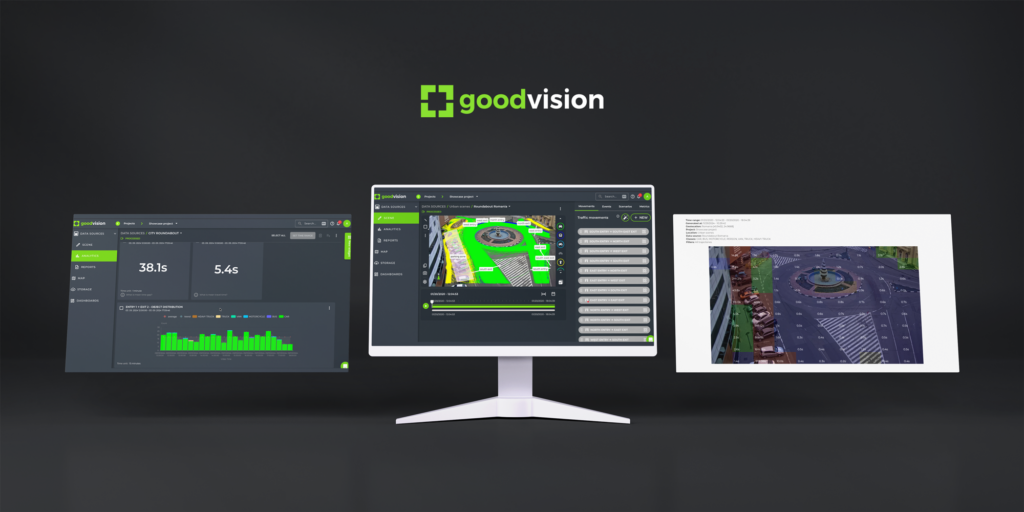
“Thanks to the visualisations we provided, it is easy to see what the peak hours are. For example, the trend that the parking spaces in the residential areas are used more during the nighttime, was a nice finding,” highlighted GoodVision’s Chief Technology Officer Tomas Pikous.
Insights from the GoodVision pilot are expected to support Aarhus’ goal for residents to be able to move autonomously around their city, contributing to reduced social isolation.
In achieving this goal, the city can also improve fair and inclusive access to its services and facilities, ensuring people with disabilities can complete daily tasks like getting to work or the shops without worrying about parking.
Rapid results
The pilot project ran in October and November 2025 with support from EIT Urban Mobility’s RAPTOR programme. The RAPTOR programme acts as a matchmaker, connecting cities facing specific mobility challenges with SMEs and startups whose expertise and innovative solutions can help address them.
“This was the first time we had interacted directly with people from a municipality, and working with Aarhus was really positive. The municipality was very cooperative and secured approvals to place the cameras,” Pikous said.
By forming a public-private bridge, RAPTOR supports cities to rapidly pilot much-needed solutions that might otherwise have taken longer to deploy through public procurement.
“The city appreciated that GoodVision studied the local stakeholders and ecosystem of Denmark. They were updated on which person to contact, which was the best operator,” Lazarus shared.
“Aarhus was very pleased because working with the SME allowed them to see results within a short time,” she added.
The Czech startup has now deployed the same solution in Germany, and is also expanding to other markets, including in Asia.