A private car spends around 96% of its lifetime sitting idle. With so much space, infrastructure and resources tied up in vehicles that are parked most of the time, there is a strong case for rethinking how we move around cities.
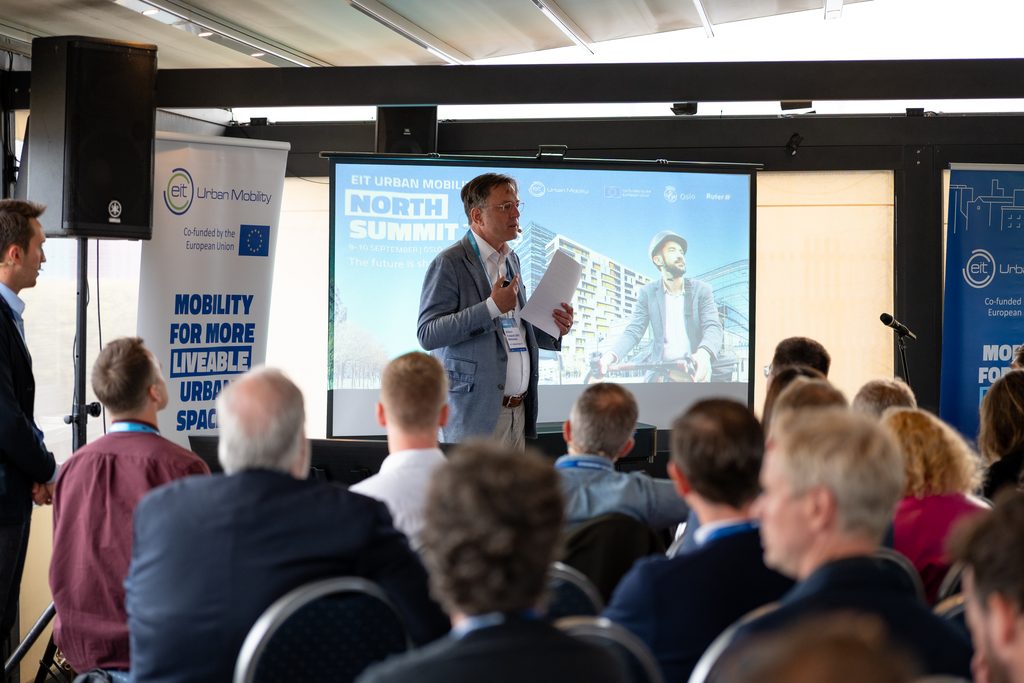
This was one of the ideas central to the EIT Urban Mobility North Summit 2026, held in Oslo, Norway, on 9-10 September under the theme “The future is shared.”
“We want people to travel together when they can, and travel alone in a car when they must,” said Marit Vea, Vice Mayor for Environment and Transport of City of Oslo, in her keynote.
Co-hosted with the City of Oslo and Ruter, the public transport authority (PTA) for the Oslo and Akershus counties, this two-day conference brought together cities, PTAs, mobility companies and innovators from across the Nordic and Baltic region to explore the role of sharing space, data, vehicles and rides in the transition towards sustainable urban mobility.
From private ownership to shared mobility
The 96% figure was highlighted at the summit by Roger Björkbacka, Head of Public Policy Nordics at Bolt, and underpins one of the central questions facing urban mobility: how can vehicles be used more efficiently?
Shared mobility offers one answer, allowing vehicles to serve more people while reducing the space and costs associated with individual car ownership. Bolt’s combination of car-sharing, app-based taxis and shared e-scooters shows how different shared modes can fit into a more flexible mobility system.
Other examples presented at the conference showed how sharing can work in different ways. Danish startup Nabogo uses empty seats in private cars to connect people underserved by public transport, while Norwegian startup Whee! offers cargo bikes through a subscription model.
Oslo’s new Green Mobility Plan, which was in public consultation over the summer and is expected to be adopted by the city council at the end of 2026, sets a target for 85% of passenger journeys to be made by walking, cycling or public transport.
Public transport that adapts to people
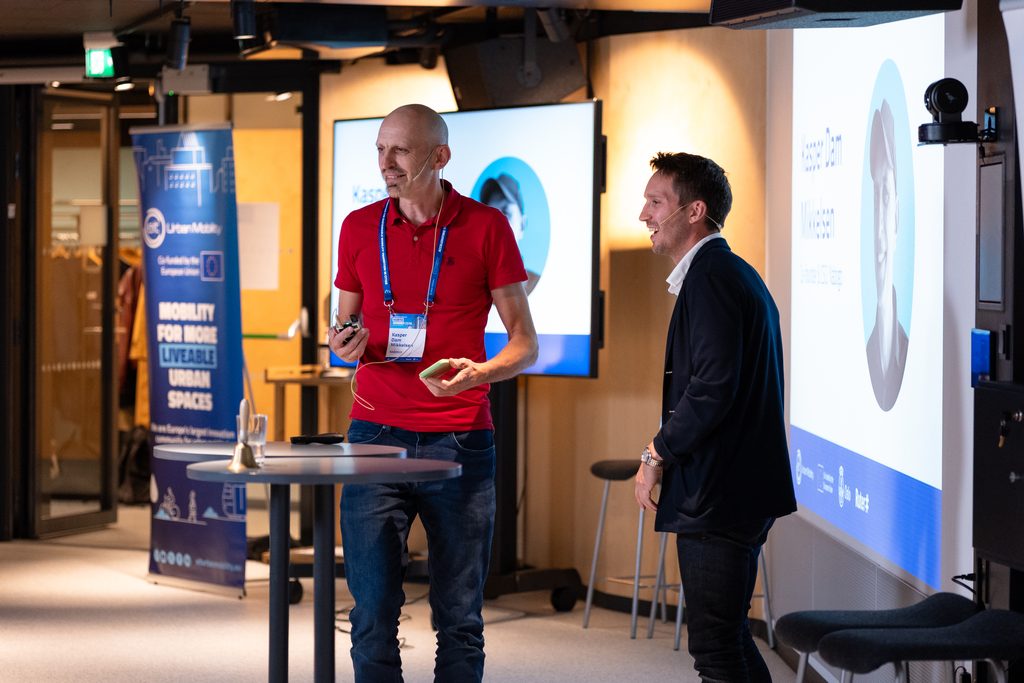
A big theme at the conference was the need for public transport to become more flexible and responsive to changing travel needs.
Ruter, the PTA, presented its Hent pilot, an on-demand service designed to connect passengers in less densely populated areas to key public transport hubs. The approach combines the efficiency of mass transit with the flexibility of demand-responsive transport.
Ruter is also piloting shared autonomous on-demand services in suburban areas, with an ambition to eventually integrate up to 30,000 driverless electric vehicles into its public transport network, providing more flexible connections while reducing reliance on private car ownership.
In Sweden, Skånetrafiken, the PTA for Skåne County, is addressing similar challenges through SkåneFlex, an on-demand service designed to provide a missing link for rural residents, including many older people.
This flexibility will become increasingly important as cities and regions change. Just like Skåne, the greater Oslo region is growing fast while also ageing, creating “more people and new needs,” as explained by Eivind G. Christiansen, Director of Markets and Business Development at Ruter, in his keynote.
Connecting different transport modes was another recurring theme throughout the two days of the conference.
DSB, Denmark’s national railway operator, shared how they aim to develop train stations to better host shared e-bikes and e-scooters to improve first- and last-mile connections, while Norwegian micromobility operator Ryde shared examples of how micromobility can complement existing public transport routes.

Sharing data to build smarter and wiser cities
If mobility is to become more shared, the data behind it needs to be shared too.
A workshop on data-driven Sustainable Urban Mobility Plans (SUMPs) explored how cities can move from fragmented datasets towards more integrated mobility systems.
Valuable information is often spread across PTAs, shared-mobility companies and city departments, making collaboration and effective data governance increasingly important.
Fragmented governance, uneven data quality and limited in-house capacity as some of the key barriers that cities currently face, said Lucie Kirstein, Strategy Lead Data & AI at EIT Urban Mobility. Harmonising data sources and improving data-sharing, on the other hand, would help make mobility planning and decision-making much more robust and agile.
Examples from across the Nordic-Baltic region showed how cities are already working with data in new ways. Rīgas Satiksme, the PTA of Riga, is using mobility data to understand changing travel patterns, while City of Turku has developed an open-source mobility app bringing transport data and services together for citizens, operators and authorities. In City of Vilnius, data and AI are part of a wider move towards a more adaptive city.
Generally, better data-sharing can help develop so-called “wise” cities, which ensure wellbeing, inclusivity, security and economic growth, said Willem-Frederik Metzelaar, Regional Director at EIT Urban Mobility and the summit’s Master of Ceremonies.
As Dalius Kazlauskas, CTO of City of Vilnius, put it: “The smartest city is not the one with the most technology but the one that can adapt best to changes.”
Designing cities around people, not cars
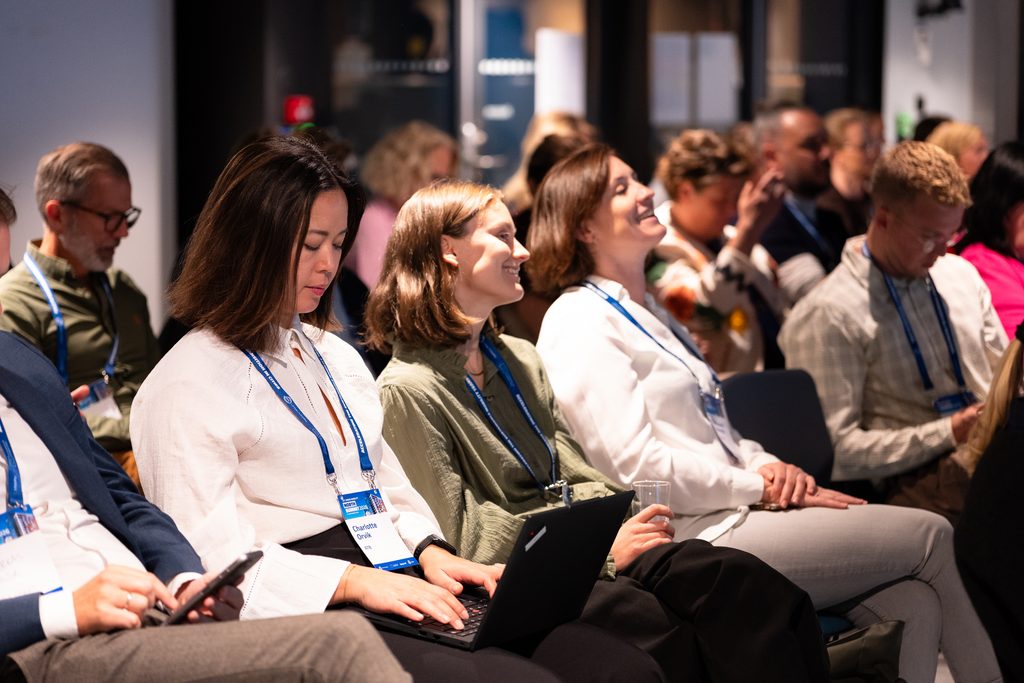
The discussion also turned to something more tangible: the way urban space is designed.
Oslo is bringing transport policy together with urban planning, climate action and nature, with walking, cycling and public transport prioritised alongside initiatives such as green streets and cargo bikes. Its new Green Mobility Plan, which was in public consultation over the summer and is expected to be adopted by the city council at the end of 2026, sets a target for 85% of passenger journeys to be made by walking, cycling or public transport.
Vice-Mayor Marit Vea described the ambition as creating a city that is “vibrant, green, and efficient,” while making better use of existing infrastructure and urban space: “Use less in a better way.”
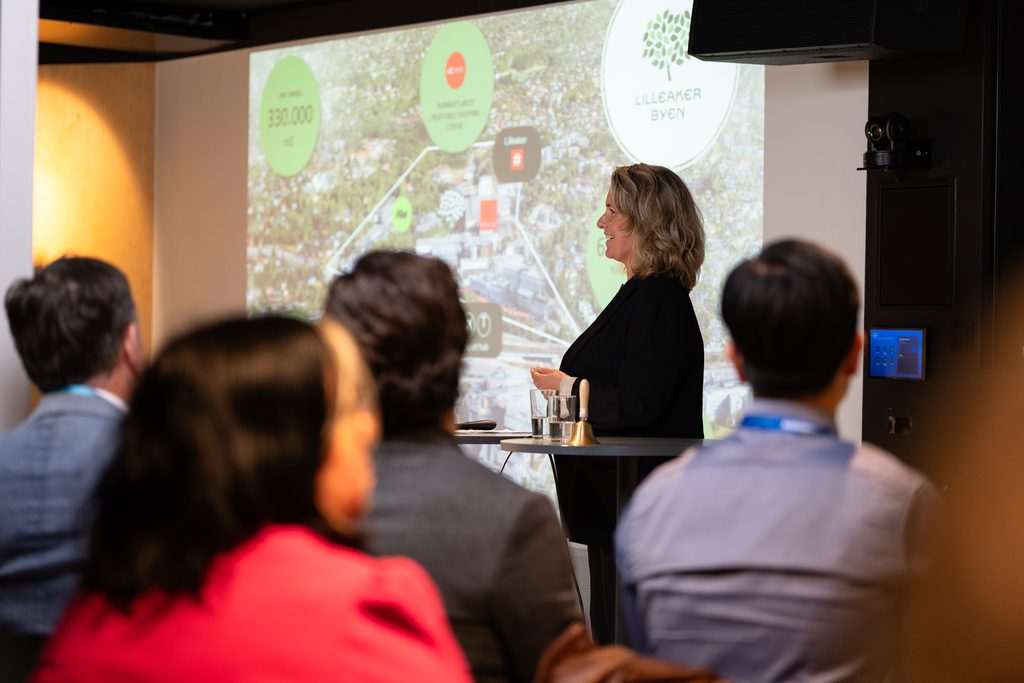
The Lilleakerbyen development in Oslo offered an example. Inspired by the 10-minute-city model, a former industrial area is being transformed into a mixed neighbourhood combining homes, workplaces, shops, restaurants and play spaces.
By moving parking and delivery infrastructure underground, more space can be prioritised for – and shared by – people at street level, said Eili Vigestad Berge, Director of Sustainability and Public Affairs at Mustad Eiendom, the real-estate developer.
Emil Rensvala of Bærum Municipality highlighted the importance of making sustainable mobility inclusive. Moving away from car dependency cannot mean designing mobility only for people who are already comfortable cycling or using public transport. Children, older people and people with different functional abilities all need to be able to move around independently.
Drawing on the Healthy Cities framework, the focus is on creating a different story around mobility: one centred on quality of life, community and freedom rather than simply framing cars as the problem.
From local pilots to shared solutions
Across the two days, speaker presented solutions ranging from autonomous and demand-responsive transport to AI, micromobility infrastructure, carpooling and urban planning tools. Swedish startup Standab is developing modular parking and charging infrastructure for shared e-scooters and e-bikes, while Dutch startup Scenexus has developed Urban Strategy, a predictive multi-scenario modelling tool that allows cities to test potential policies and visualise their impacts.
The challenge, however, is not only developing new solutions. It is finding ways to scale them.
Marc Rozendal, CEO of EIT Urban Mobility, highlighted the need for greater collaboration between cities, public authorities, businesses, universities and research organisations as Europe looks to move successful innovations beyond individual pilots.
The future is shared
The Nordic and Baltic region is well placed to support this through greater sharing of knowledge, data and experience. Jenny Simonsen, COO of ITS Norway and Nordic+, a network connecting smart mobility ecosystems across the Northern region, highlighted the potential of stronger connections between mobility companies, public authorities and researchers.
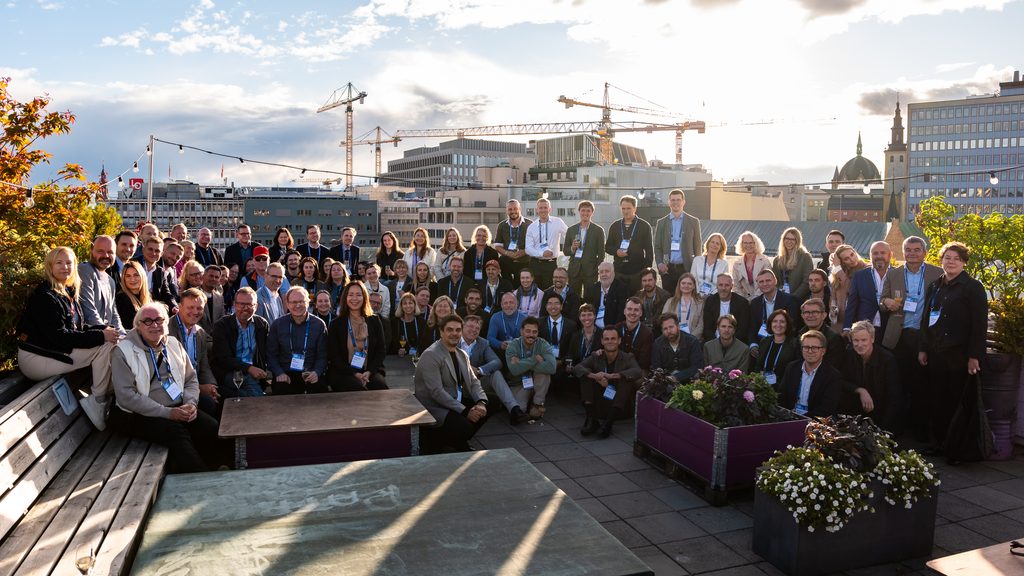
For EIT Urban Mobility, this is a core mission: connecting innovators with the cities and organisations that need their solutions while helping promising innovations move from pilot to scale.
The future of mobility may be less about adding more vehicles, infrastructure and technology, but more about finding smarter ways to share what is already there.