
Moving autonomous vehicles from pilots to European roads

Autonomous vehicles could change how people move around European cities. From addressing driver shortages to improving accessibility and making demand-responsive transport more affordable, the opportunities are considerable. Yet despite progress in autonomous driving technology, turning these innovations into everyday mobility services remains a challenge. For Europe, the question is not only how to develop autonomous […]
ARISE project wins Global Light Rail Award for best safety initiative
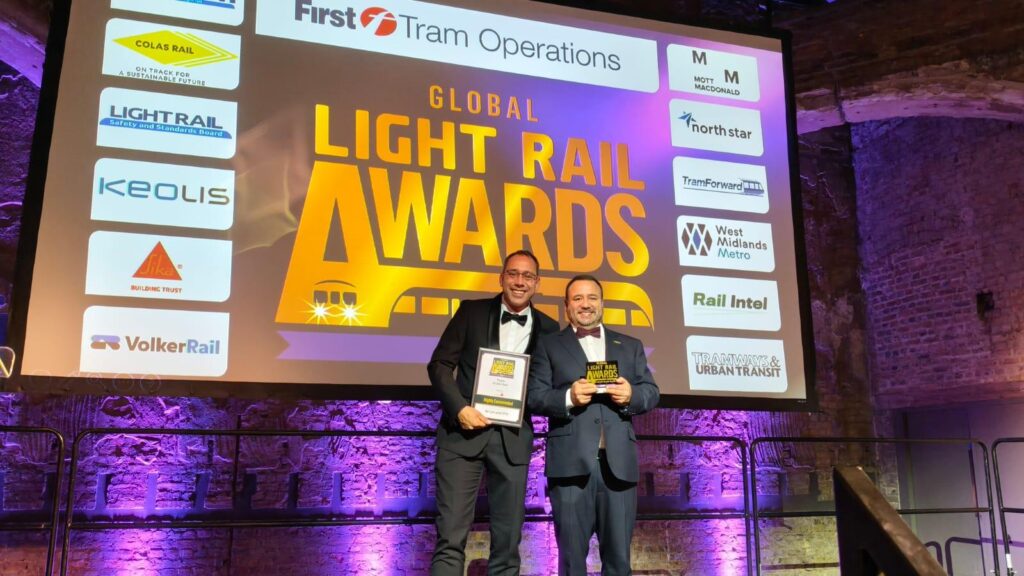
The EIT Urban Mobility-funded project ARISE, developed and tested on the Zaragoza tram and on the cities of Lisbon and Antwerp, was honoured on Wednesday 7 October at the Global Light Rail Awards gala in London. The awards recognise the best tram and light rail projects and initiatives worldwide. ARISE won first prize in the […]
Scaling proven solutions to new markets: SME Market Expansion Open Call 2027
EIT Urban Mobility’s SME Market Expansion Open Call supports Small and Medium Enterprises (SMEs) in bringing urban mobility solutions into new geographical markets, customer segments and sectors. Applications open on 9 October 2026. Expanding into a new market requires more than a strong product. SMEs must understand a different operating environment, adapt to local needs […]
SME Market Expansion Open Call 2027
EIT Urban Mobility is thrilled to launch the new edition of the SME Market Expansion Open Call. The Call is designed to promote business growth and market expansion, encouraging the replication and scaling of successful solutions in new regions or sectors. It offers a strategic platform for SMEs with ambitions to scale by expanding into […]
What is needed to scale Europe’s circular battery value chain?
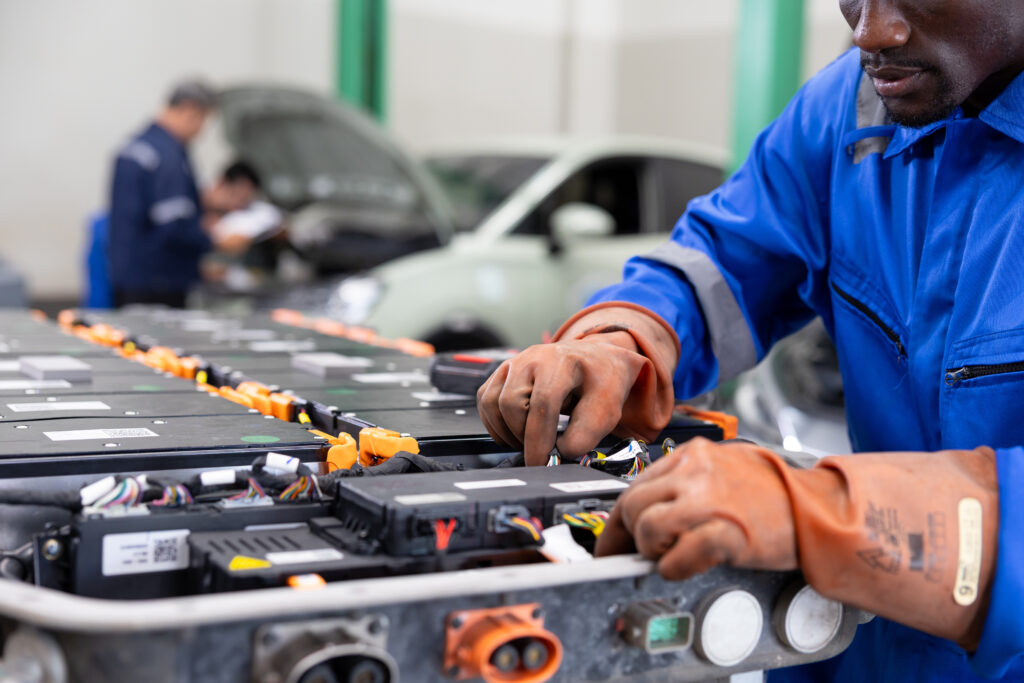
As electric vehicle use expands across Europe, ensuring that batteries can be safely reused, repurposed and recycled is becoming increasingly important. BatteReverse, a Horizon Europe project involving 10 partners from six European countries, is developing solutions to improve lithium-ion battery reverse logistics, from battery assessment and safe transportation to automated dismantling, second-life applications and data […]
PLANET takes off in Las Rozas, bringing AI to the future of urban mobility planning
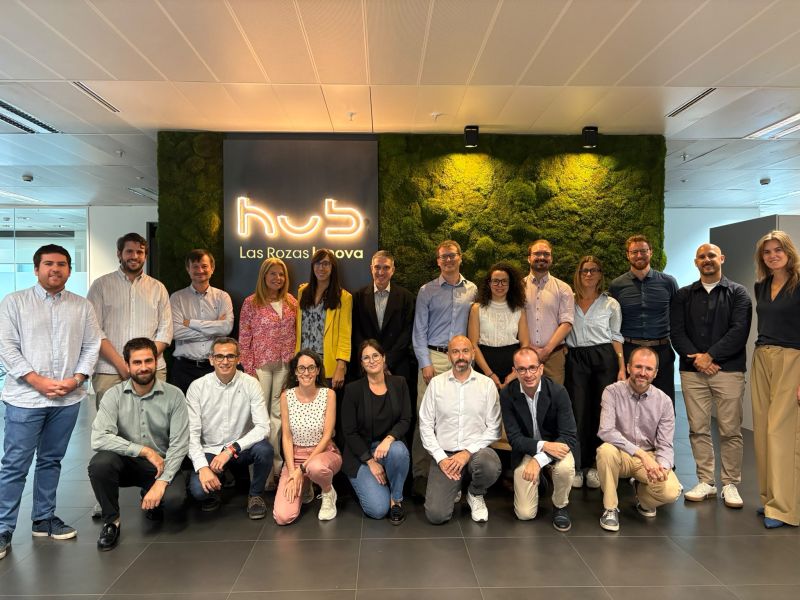
The project, funded by EIT Urban Mobility, will create an AI platform to help cities draft, update, and monitor their sustainable urban mobility and logistics plans. The PLANET project—Planning with AI for Next-generation, Equitable Transport—was formally launched in Las Rozas, Spain, at the consortium’s first meeting on 24 September. Co-financed by EIT Urban Mobility through […]
Strategic Innovation Open Call Info Session – 4th cut-off

The fourth cut-off of the Strategic Innovation Open Call is now open until 28 January 2027! EIT Urban Mobility’s mission is to accelerate the transition to sustainable urban mobility. The Strategic Innovation Open Call supports this mission by investing in the deployment of impactful solutions that address the most pressing challenges in urban mobility. The Call […]
SME Market Expansion Open Call 2027 Info Session
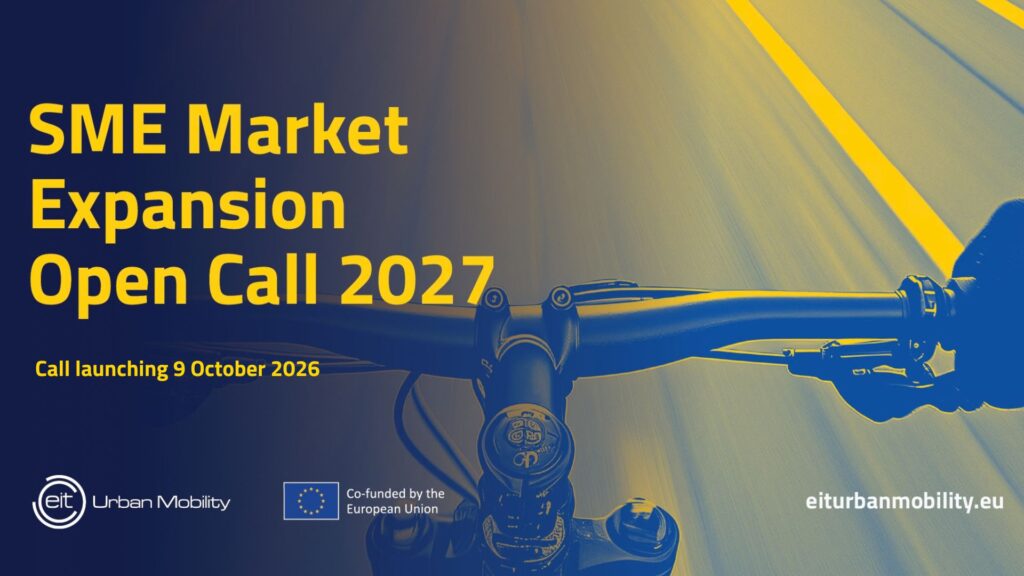
The new edition of the SME Market Expansion Open Call for Innovation is launching in October 2026! EIT Urban Mobility’s mission is to accelerate the transition to sustainable urban mobility. The SME Market Expansion Open Call supports this mission by investing in innovative solutions, products and services that address urgent urban mobility challenges. The focus […]
European Innovation Scoreboard 2026: How EIT Urban Mobility is helping close Europe’s innovation gap
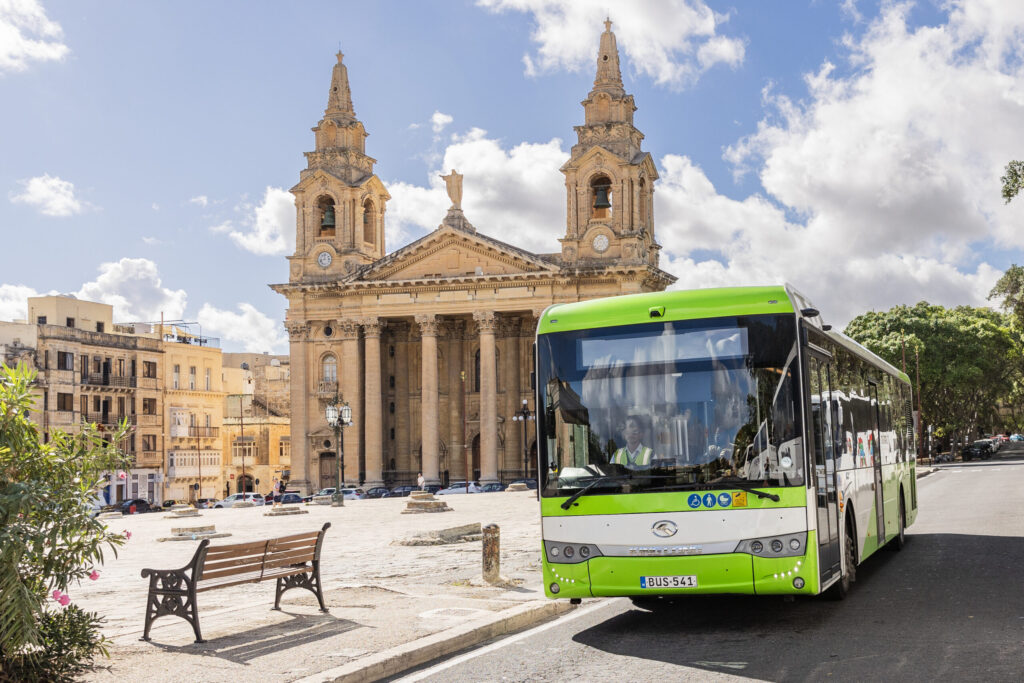
The European Innovation Scoreboard (EIS) is the European Commission’s annual assessment of innovation performance across EU Member States, neighbouring countries and selected global competitors. It measures how effectively countries create, invest in, commercialise and benefit from innovation through 32 indicators covering education and skills, research excellence, digitalisation, investment, business innovation and economic impact. Based on their innovation performance relative to the EU average, countries are grouped into four […]
Supernovas Marketing Agency ’26-28

Through this procurement process, EIT Urban Mobility KIC LE (hereinafter referred to as “EIT Urban Mobility” or “EIT UM”) seeks to appoint a full-service Digital Marketing Agency (hereinafter referred to as “Agency”) to strengthen the online presence, visibility, and outreach of the EIT Community Supernovas Initiative. EIT Community Supernovas is a joint initiative by EIT Urban Mobility, EIT Food, and […]
CIVITAS Forum 2026
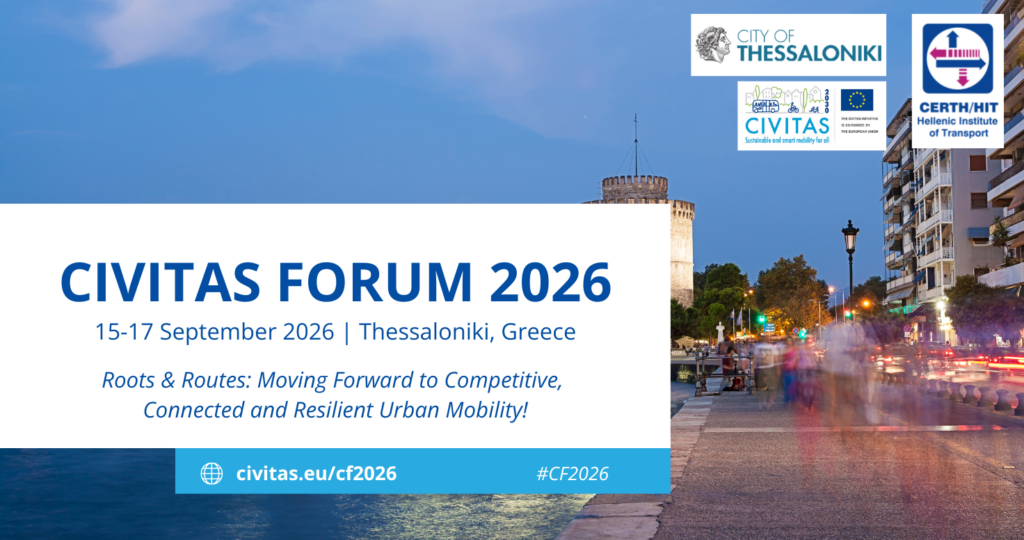
From 15 to 17 September 2026, Europe’s urban mobility community will gather in Thessaloniki, Greece, for the CIVITAS Forum 2026 – the flagship event of the CIVITAS Initiative. Under the theme Roots & Routes: Moving Forward to Competitive, Connected and Resilient Urban Mobility, the forum will bring together city leaders, policymakers, researchers, industry experts and […]
Innovation procurement in Latvia and Malta: A new roadmap and innovation competence centre to boost growth

Did you know that on average, innovation procurement is used well below 1% of all public buying cases in the EU? Public procurement is often seen as a technical, lengthy procedure, with formal and non-intuitive design, abstract requirements and strict eligibility evaluation criteria. As a result, many prospective companies choose not to bid and many […]
Urban logistics integrated into Riga’s future mobility plan
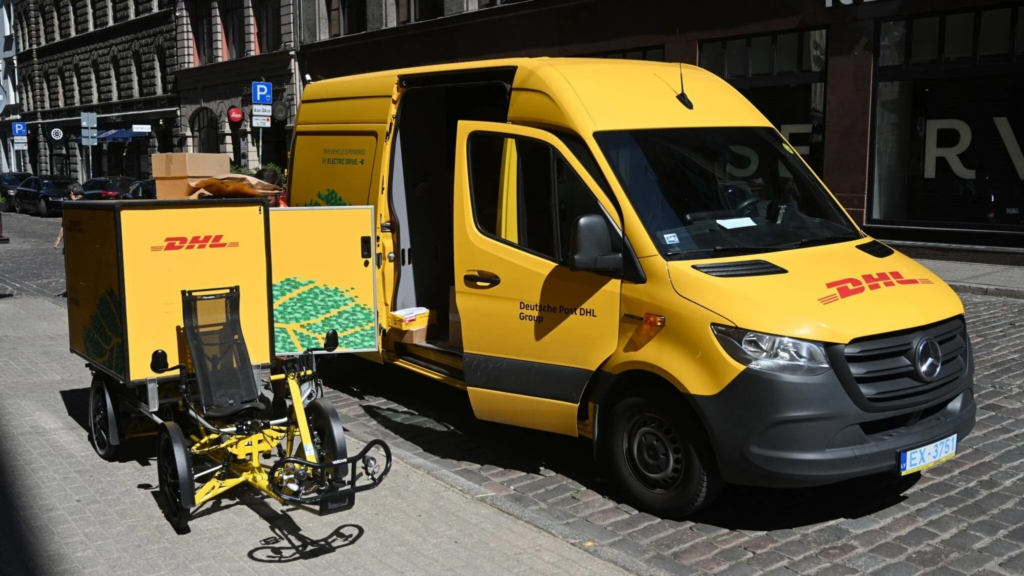
As e-commerce continues to reshape urban mobility, cities are under growing pressure to manage increasing numbers of delivery vehicles while reducing congestion, emissions and competition for public space. Yet urban logistics often remains overlooked in mobility planning. To help cities address this challenge, VEFRESH along Latvian Post and Malta’s DeepTech Foundry won the competitive grant […]
Fourteen European cities partner with startups to test innovative mobility solutions through RAPTOR 2026
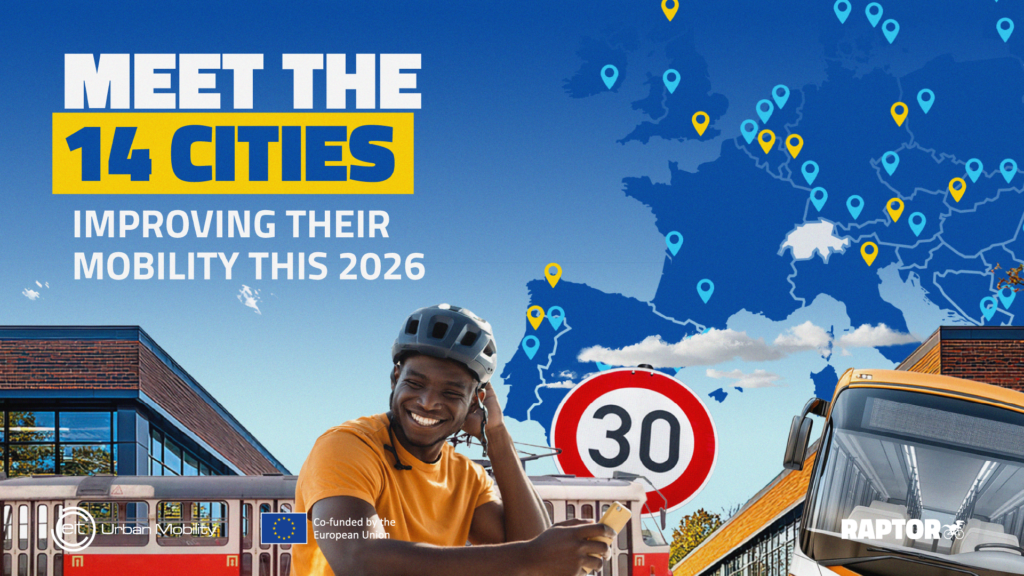
EIT Urban Mobility is excited to announce the selected startups and SMEs for the 2026 edition of its flagship RAPTOR (Rapid Applications for Transport) programme. This year, 14 European cities have selected innovative solutions to address locally identified mobility challenges, working directly with startups and SMEs to test them in real urban environments. By opening […]
EIT Urban Mobility contributes to the launch of ADACities, advancing autonomous mobility deployment across Europe
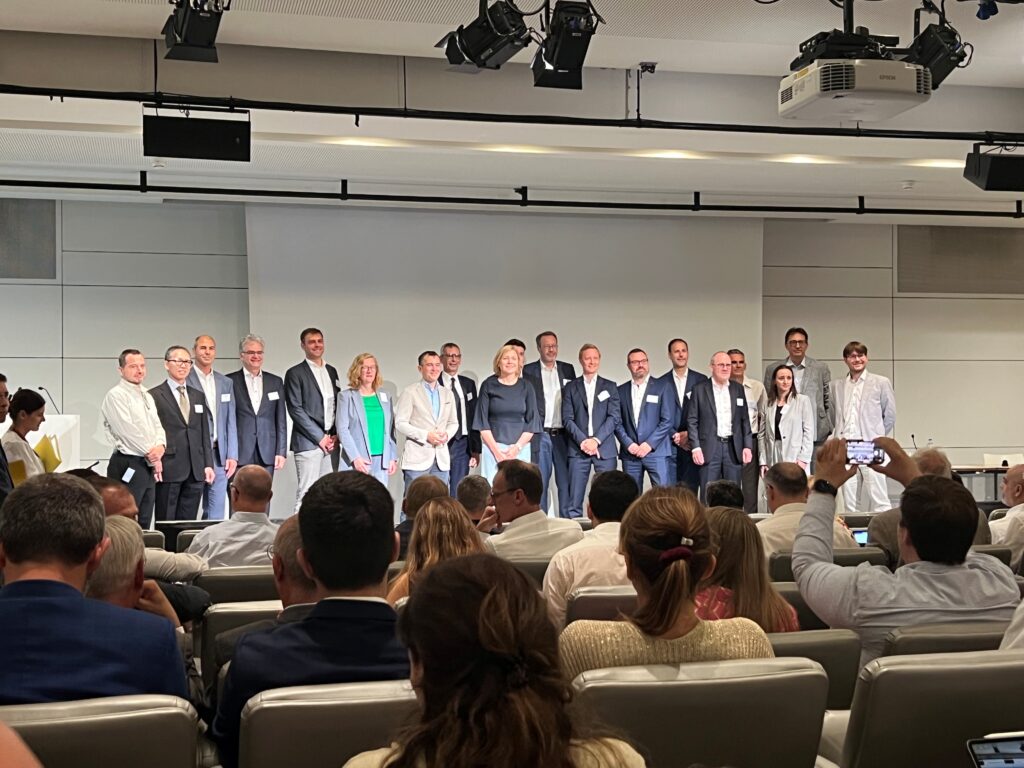
The Autonomous Drive Ambition Cities (ADACities) initiative was officially launched during the inaugural European Connected and Autonomous Vehicle Alliance (ECAVA) Forum, marking an important milestone in Europe’s ambition to scale autonomous mobility. Announced by European Commission Executive Vice President Henna Virkkunen, ADACities is a flagship initiative under the EU’s Apply AI Strategy. It will support […]
ROADSCOR+

The ROADSCOR+ project (Extending conflict-based safety insights to unsignalized intersections and safe introduction of Automated vehicles using Roadscor) aims to transform road safety evaluation by moving from reactive analysis to proactive risk prediction. Road crashes cost European society approximately €280 billion annually, and progress toward “Vision Zero”—the international ambition to eliminate all traffic fatalities—has recently stalled. This stagnation […]
E-Scooter and Bike Share Urban Usage Focus Group Webinar
Join this engaging webinar where the newly published E‑Scooter & Bike Share Urban Usage Focus Group Report will be presented, developed within the framework of the Smart Cities Marketplace. This report brings together a year of structured discussions with experts from local authorities, mobility operators, research institutions, and user organisations, offering one of the most comprehensive multi‑stakeholder […]
Telraam with the city of Mechelen
Urban delivery traffic has grown 71% over the last 20 years and now accounts for 20-30% of vehicle kilometres in cities and over 16% of urban air pollution. European cities are responding by encouraging cargo bike logistics, yet current traffic monitoring systems cannot distinguish between cargo bikes and leisure cyclists. This leaves local governments without the data needed to plan, evaluate and regulate sustainable urban logistics. Telraam is a citizen-powered […]
CautCurier with Dentstore
CautCurier.ro will deploy and validate a same-day urban logistics service in Sofia, together with Dentstore Bulgaria. The project aims to address a practical mobility and healthcare logistics problem: dental clinics depend on fast, reliable access to implants, materials and supplies, while current deliveries are often fragmented across clinics’ own vehicles and generic couriers. This can create unpredictable arrival times, manual coordination efforts, extra vehicle trips and higher logistics costs. The main objective is to replicate CautCurier.ro’s tried-and-tested Romanian same-day delivery […]
Replan.city with NIIMO
Many European cities and regions struggle to make evidence-based decisions about public transport, rural mobility and emissions reduction due to fragmented data and the absence of shared digital planning tools. In Saxony-Anhalt (Germany), regional authorities, municipalities and transport operators lack a common platform for modelling and evaluating mobility scenarios consistently and transparently. The project addresses this challenge by deploying Replan.city, a cloud- and agent-based […]
GARI
Tictactrip’s German-Austrian Rail Integration (GARI) is a market-expansion project designed to add Deutsche Bahn (DB) and Österreichische Bundesbahnen (ÖBB) rail services to Tictactrip’s multimodal booking platform. The project responds to a concrete commercial and mobility problem: Marietton Développement, through its Héliades and Voyamar network, cannot currently offer many seamless multimodal rail journeys across Germany and Austria because key rail content is not yet fully accessible in its sales […]
Chat&Go with MARIA
Public transport passengers across Europe face recurring frustrations: fragmented service information, complex ticketing procedures, language barriers when travelling abroad and the need to download different apps for each operator. These obstacles are particularly acute for tourists, occasional riders, older passengers and digitally excluded users, who often give up on public transport altogether and rely on private cars or taxis instead. Chat&Go® […]
FutureBat
The transition to electric mobility is accelerating across Europe, especially in urban fleets and municipal services. However, current battery systems remain a major bottleneck: they are often imported, non-repairable, and both costly and difficult to recycle, thus increasing the total cost of ownership (TCO) and environmental impact. FutureBat seeks to address this challenge by introducing […]
Healthy Cities Mobility Impact Module
The Healthy Cities Mobility Impact Module (MIM) enables cities and transport authorities to evaluate the impact of mobility projects on health and quantify their economic benefits. Co-developed with Barcelona’s Metropolitan Transport Authority (ATM), it expands and tailors the tried-and-tested Healthy Cities Generator tool to assess mobility-specific interventions (e.g. public transport and cycling upgrades, and low-emission zones). The evidence-based module estimates how mobility interventions affect environmental, physical and mental health, quantifies gains in […]