How can cities better work together across borders to accelerate innovation and create better, cleaner mobility systems? In 2025, cities in the Øresund region explored this question through an Interreg Øresund-Kattegat-Skagerrak co-funded pre-study of the Øresund Mission Cities Mobility Innovation Programme (ØMMIP).
The four participating cities – Copenhagen (Denmark), Malmö, Helsingborg and Lund (Sweden) – aim to create a joint cross-border initiative for sustainable mobility innovation. As part of the EU Mission for Climate-Neutral and Smart Cities, they share the ambitious goal of becoming climate neutral by 2030.
Why work across borders?
Transport is one of the hardest sectors to decarbonise and the four cities know from experience that acting alone is challenging. Commuting patterns, labour markets and supply chains in the so-called Greater Copenhagen region across the Øresund Strait already function across borders, but policies, funding and data often stop at national or even municipal borders.
The Øresund innovation programme aims to address this. By working together, cities could pool resources, test solutions jointly and scale the innovations that work. A pilot tested in one city can be adapted and used in another, and learnings from such piloting would support a more agile approach to innovation adoption when organised according to agreed-upon standards.
“It’s also about the narrative. We need a narrative together,” said Peter Ekström, Head of Strategic Collaboration at the City of Helsingborg, at the final workshop in 2026.
Five building blocks for collaboration
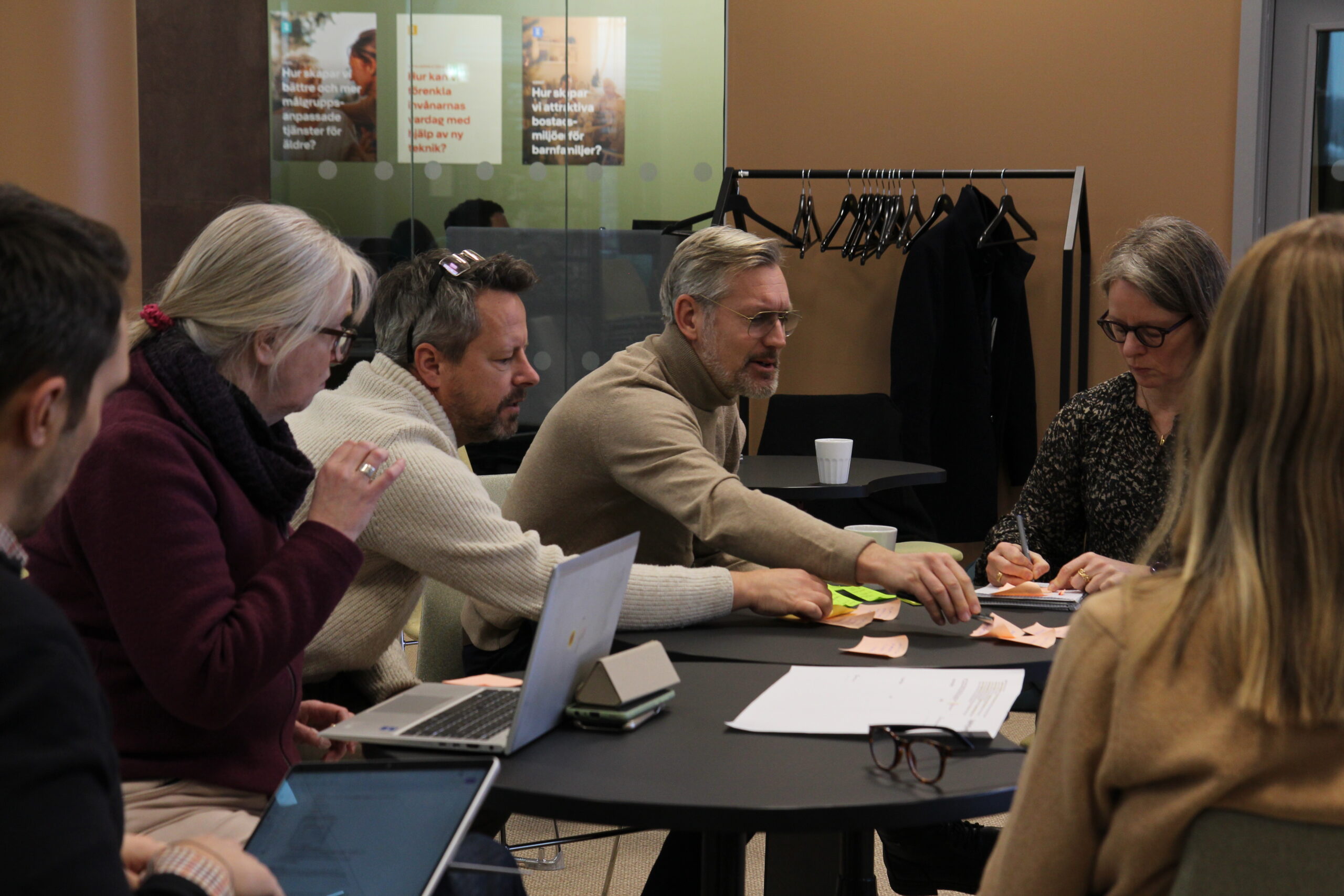
To shape the programme, BLOXHUB and EIT Urban Mobility conducted interviews with civil servants from the four Øresund cities. These insights were used to design a series of workshops.
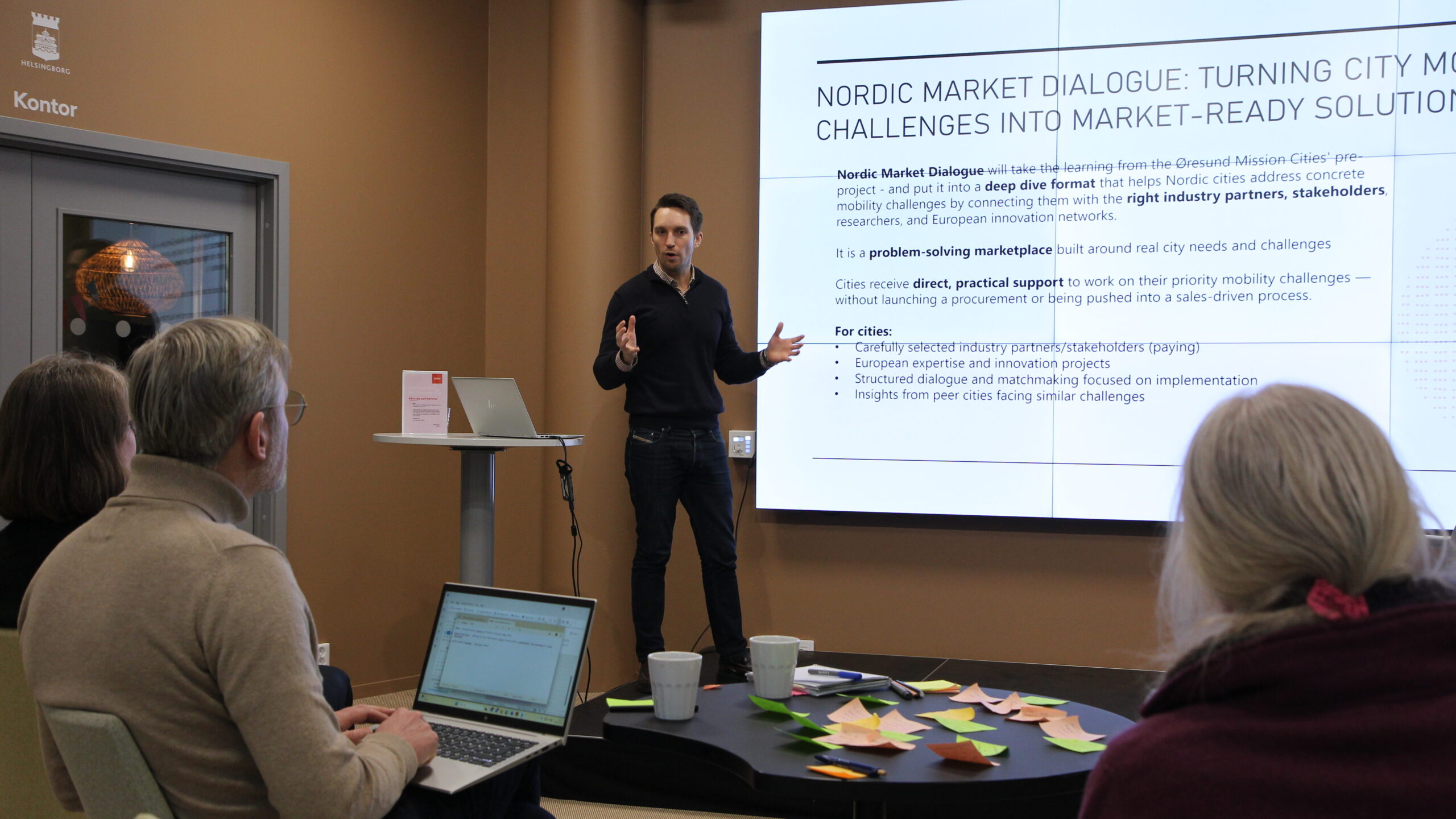
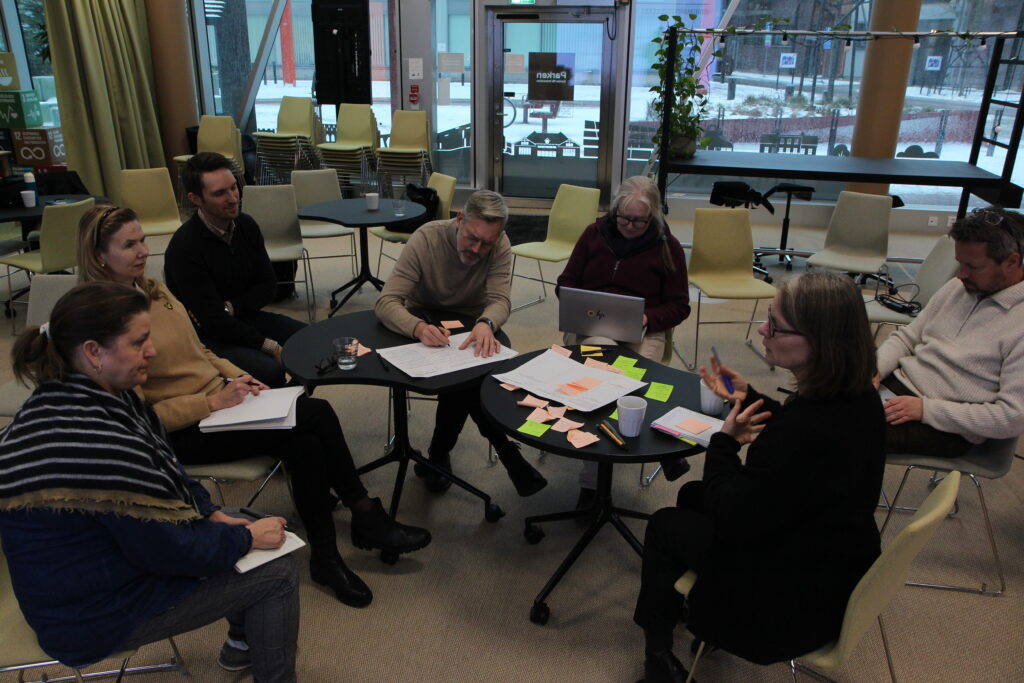
As part of the pre-study, a series of workshops was held. The first workshop in October 2025 involved the four city administrations only, while the second workshop in November 2025 brought together public authorities with private companies and academia. Together, they identified five key building blocks for cross-border collaboration on innovation. In a third follow-up workshop in January 2026, the cities of Malmö and Helsingborg continued the conversation.
1. Governance and breaking silos
Siloed public-sector structures can limit knowledge sharing. Cross-border cooperation can unlock policy influence that single cities cannot achieve and create a strong regional testing ground across two national systems.
2. Innovation priorities and ecosystems
Trust, commitment and relationships are essential. Working together as one regional ecosystem makes the Øresund region more attractive for companies than four separate local markets. Commitment and trust are especially important before funding comes into play.
3. Innovation procurement
Tight legal frameworks and financial restrictions limit innovation procurement in Denmark, while in Sweden the rules leave little room for experimentation. Sharing risks and learning together can help cities overcome these barriers.
4. Financing and resource pooling
Cities report that capacity, not funding, is the main challenge. Too many projects and too little staff time make scaling difficult. A joint Øresund framework can help align priorities, coordinate funding and share administrative resources.
5. Knowledge management and scaling
Many pilots never become long-term solutions. A shared knowledge platform could store results, share lessons learned and help successful projects scale across cities.
“I really believe in setting up a platform where we can learn from each other and share challenges on a frequent basis,” said Björn Wickenberg, Policy Analyst and Researcher at the City of Malmö, at the workshop in January 2026.
What’s next?
The workshops showed a strong willingness among Øresund stakeholders to collaborate for greater impact. Participants emphasised that political engagement needs to happen continuously, not only at the end of the process. Language also matters; shifting from “blueprints” to “building blocks” made the framework more accessible and easier to shape together.
Participants benefitted from early involvement in programme design, a clearer understanding of city needs and constraints, and stronger relationships built on trust.
The pre-study for the programme has now been successfully completed. The next steps for the ØMMIP will be discussed and developed together with the cities.
The pre-study of the ØMMIP is co-funded by Interreg Øresund-Kattegat-Skagerrak.