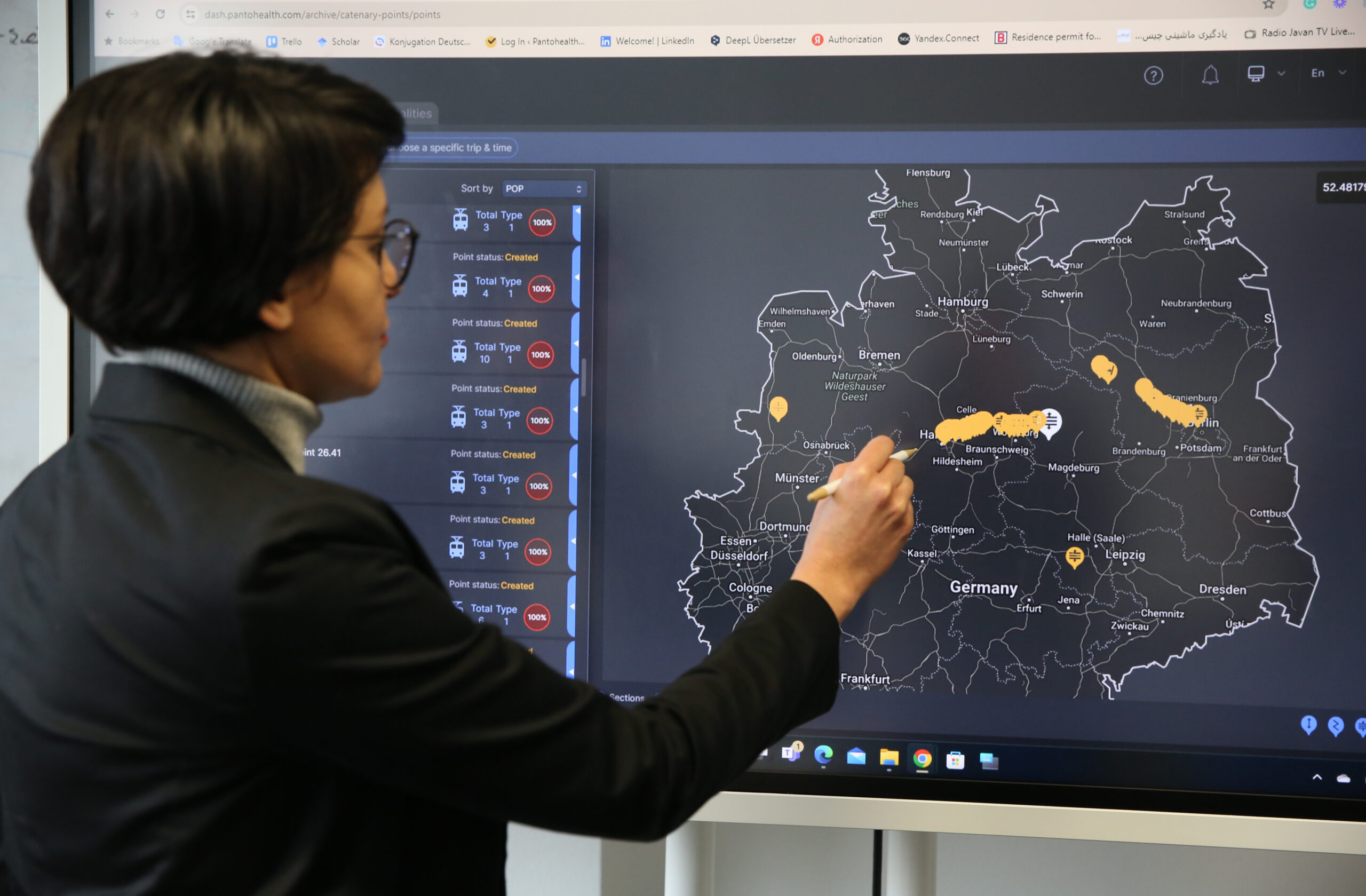
The PANTOTECH project aims to improve the reliability and efficiency of public transport systems, with a focus on tram and metro networks. Many cities still rely on routine, time-based inspections and reactive maintenance, which can be inefficient. Inspections are often carried out too early, wasting resources, or too late, leading to failures, service disruptions and safety risks. This challenge, along with the growing demand for reliable and affordable public transport, inspired the project.
The main objective is to enable smarter, more efficient maintenance of critical infrastructure, such as overhead catenary systems, using real-time monitoring and predictive analytics. Instead of fixed schedules, the system detects early signs of wear and identifies the optimal time for repairs. This helps to prevent breakdowns, reduce unnecessary work and improve overall network performance. To achieve this, PANTOTECH uses sensors and data analysis to continuously monitor infrastructure conditions. When a potential issue is detected, maintenance teams are alerted, allowing for faster and more targeted interventions. The approach improves safety, reduces costs and minimises disruptions for passengers.
The project is implemented by a consortium coordinated by TU Berlin, with PANTOhealth as the technical partner, together with pilot partners in Barcelona, Istanbul, Konya and Debrecen. Overall, PANTOTECH aims to demonstrate that data-driven maintenance can deliver more reliable services, lower operational costs and a better passenger experience, which should encourage greater use of public transport.