
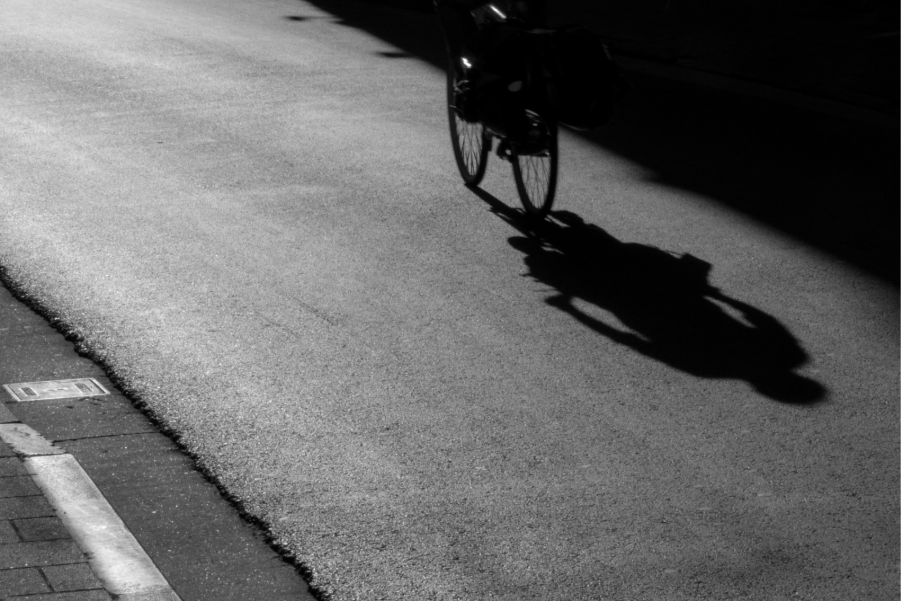
Across Europe, millions of people travel after dark: commuting from late shifts, cycling home, walking through neighbourhoods or using scooters to bridge their last mile. In winter, when darkness falls early but daily life continues, people still need to get to and from work, education and essential services, often in conditions that make navigating streets and public space more challenging. Yet nighttime urban mobility remains one of the least explored dimensions of transport policy, despite its disproportionate impact on safety, accessibility and inclusion.
In the European Union, where Vision Zero strategies aim to eliminate road fatalities and serious injuries, visibility is emerging as a critical factor. From street lighting to AI-powered micromobility systems, a new generation of innovations is redefining how cities think about safety after sunset.
The EU context: mobility after dark as a safety and equity challenge
Road safety remains a central priority in the EU’s transport agenda. Vulnerable road users such as pedestrians, cyclists and micromobility users, are particularly exposed at night, when reduced visibility interacts with complex urban environments and mixed traffic.
Urban lighting plays a dual role in this context. On the one hand, it is a core component of road infrastructure, influencing how well drivers, micromobility users and pedestrians alike can perceive hazards, navigate crossings and share space. On the other hand, lighting shapes perceptions of safety and comfort, which in turn affects whether people feel able to walk or cycle after dark. Poor lighting can discourage active mobility and reinforce inequalities, particularly for older adults, women and low-income communities.
At the same time, cities face growing pressure to balance safety with sustainability. Traditional street lighting systems are often energy-intensive and costly to maintain, while manual inspections of lighting conditions are slow and fragmented. This is where digital tools and data-driven approaches can transform how cities manage nighttime environments.
Smarter streets: how SAFELIGHT rethinks urban lighting infrastructure
One of the most ambitious European initiatives addressing this challenge is the SAFELIGHT project, borne out of EIT Urban Mobility’s 2025 Targeted Open Call. The project focuses on automating the assessment of urban lighting conditions.
Through the development of a computer vision-based system, described as an “autonomous urban inspector for lighting,” nighttime visibility evaluation can be conducted across cities. Instead of relying on manual inspections or isolated measurements, the system analyses lighting conditions automatically, identifying hazardous locations and enabling targeted improvements.
The project responds to a growing problem: while micromobility and active transport are expanding in European cities, accidents involving vulnerable road users are also increasing. Many of these incidents could be prevented through better infrastructure design, clearer signage and improved illumination at crossings and conflict points.
By generating data from vehicles, SAFELIGHT allows municipalities to map lighting deficiencies at scale and integrate findings into routine maintenance processes. The goal is not just reactive repairs but a systematic approach to identifying high-risk areas and validating improvements after interventions.
Beyond infrastructure: personal lighting in micromobility
While street lighting addresses systemic risks, personal micromobility lighting tackles safety at the level of individual users. This is particularly relevant as bicycles, e-scooters and other light vehicles become integral to Europe’s urban transport mix.
A notable example is the United Kingdom-based startup Hilo EV and its Intelligent Road Illumination System (IRIS), piloted in the Romanian city of Bacău with support from EIT Urban Mobility’s RAPTOR programme. The system combines visual AI and sensors to detect nearby hazards and respond with dynamic light signals and audio alerts, enhancing both the rider’s awareness and their visibility to others sharing the road.
Unlike traditional bike lights, IRIS adapts in real time: it can flash different colours or patterns depending on the surrounding environment and perceived risks. It also adjusts its behaviour to comply with local regulations, demonstrating how smart micromobility technologies can be aligned with diverse European legal frameworks.
The pilot produced promising results. Around half of participants reported feeling significantly safer when using the system, and 85% expressed strong interest in cycling with it. Importantly, the project focused on elderly residents, a group often overlooked in micromobility innovation. In Bacău, around 70% of older residents relied on private cars, highlighting how safety concerns can limit the uptake of sustainable transport modes.
By increasing visibility and confidence, intelligent lighting systems like IRIS have the potential to shift behaviour, encourage active mobility and contribute to broader EU objectives around decarbonisation, public health and social inclusion.
Two sides of the same coin: infrastructure and user-centred innovation
Taken together, SAFELIGHT and Hilo EV illustrate a key insight: mobility safety after dark cannot be addressed through infrastructure or technology alone. It requires an integrated approach that connects city-level systems with user-level experiences.
Street lighting determines whether crossings, intersections and shared spaces are legible after dark while personal lighting determines whether individuals are visible and feel safe enough to use sustainable modes. When combined, these layers create a safer and more inclusive nighttime mobility ecosystem.
Looking ahead: nighttime mobility as a policy priority
As Europe accelerates its transition towards climate-neutral and people-centred transport, nighttime mobility deserves greater attention from policymakers, planners and innovators.
Ultimately, the way cities manage light reflects how they value liveability and accessibility in public space. By reimagining urban lighting European cities can make urban mobility safer, more inclusive and more sustainable, twenty-four hours a day.