
EIT URBAN MOBILITY
MOBILITY FOR MORE LIVEABLE URBAN SPACES
EIT Urban Mobility is committed to decarbonising the mobility sector and accelerating the transition to sustainable urban mobility.
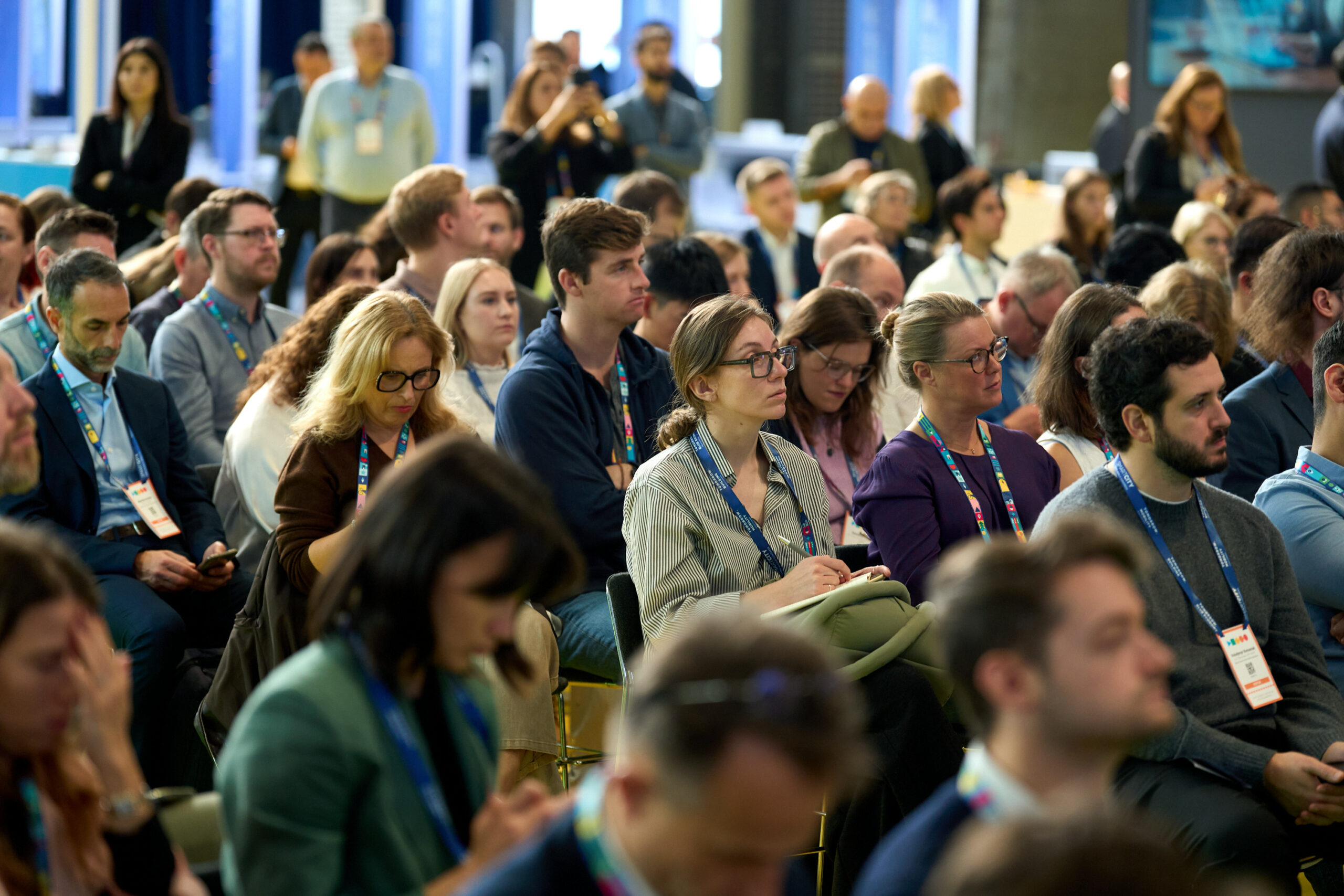

Join Europe's largest community for urban mobility innovation
By becoming a partner you will tap into a dynamic network, collaborate with top innovators, enhance your visibility, access crucial funding opportunities and test your ideas in leading cities across Europe.
Our services and expert team will support you in addressing your urban mobility challenges and help you deliver impactful solutions.
reports and studies published on our Knowledge Hub
The EIT Urban Mobility Knowledge Hub acts as a forum for internal and external experts to collaborate and study the most pressing urban mobility topics.
pilots conducted in 250+ European cities since 2020
We bring together the public sector, established companies, startups, SMEs and academia to implement pilots aimed at solving real mobility issues in cities across Europe.
learners enrolled in Urban Mobility Explained (UMX) courses
We offer tailored courses, seminars and programmes on mobility entrepreneurship and innovation for learners across all levels of expertise.
startups supported with funding or expertise since our founding
We provide startups with funding, coaching and concrete opportunities to foster European entrepreneurship and scale solutions to market.
News
Events
AI in the City 2026
AI in the City is a three-day event taking place o...
BoostEDIC M&L preliminary market consultation on Europe-wide EV charging
BoostEDIC M&L (European Digital Infrastructure...
BoostEDIC M&L preliminary market consultation on electronic traffic regulations
BoostEDIC M&L (European Digital Infrastructure...
SME Market Expansion Open Call 2027 Info Session
Attend the SME Market Expansion Open Call informat...
Mobility Talks 35: Building Europe's autonomous mobility ecosystem
This edition of Mobility Talks brings together exp...
Women in Tech Breakfast
Established in 2021, the Women in Tech programme s...
EIT Urban Mobility Mixer - Demo Day & Matchmaking
EIT Urban Mobility Mixer - Demo Day & Matchmak...
Planning the 15-minute city in the urban outskirts
The DREAMS project is focused on the 15-minute cit...
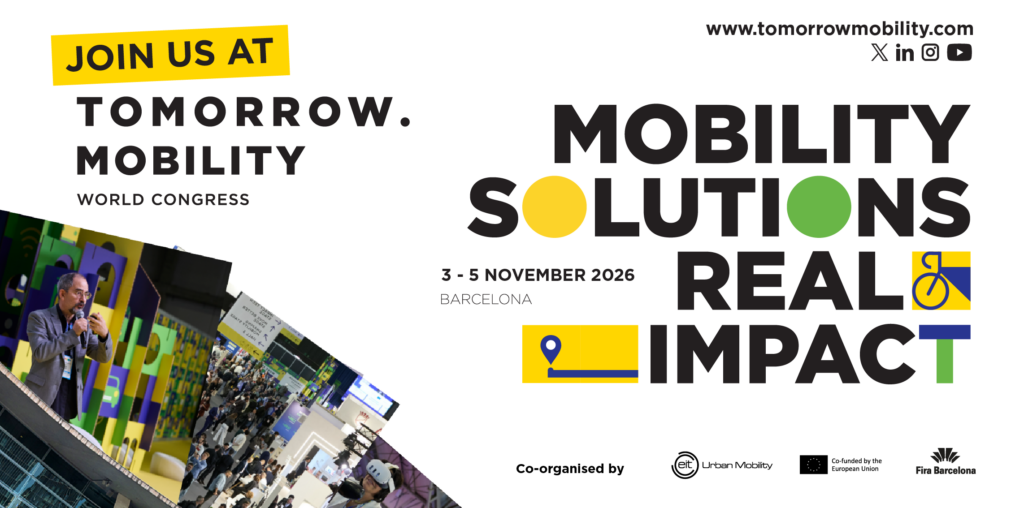
Tomorrow.Mobility World Congress 2026
Under the theme “Mobility solutions, real impact",...
Our impact
From ensuring all perspectives are included in the design and creation of mobility products and services, to connecting partners to the best resources, and helping to scale proven solutions across European cities, these stories are a glimpse into what we do to make streets and public spaces greener, safer and healthier for all.
17 September 2026
Cleaning up waste collection in Nicosia
Headaches caused by inefficient and outdated waste collection systems can have a meaningful impact on residents’…
7 September 2026
Theoremus takes aim at public transport overcrowding in Bucharest and Sofia
For passengers wanting to get around their cities quickly and comfortably, bus overcrowding can mean more…
5 August 2026
Inclusive innovation powers sustainable mobility in Las Rozas de Madrid
Five years ago, with a bold mission to build one of Spain’s most innovative cities, Las Rozas Innova launched as the…
21 July 2026
GoodVision’s AI-powered video analytics enhance accessible mobility in Aarhus
Is there a smarter way for inclusive cities to manage accessible parking for residents with disabilities? …
25 June 2026
MOBIRE boosts battery repairability for more sustainable micromobility
Shared micromobility can play a valuable, sustainable role in cities’ urban mobility mix. On the other…
4 June 2026
Capturing transport’s stealth pollutants: how TC05 is tackling non-exhaust emissions
While cities have been making progress tackling vehicle engine exhaust emissions, a lesser-known form of transport pollution — non-exhaust emissions (NEEs)…
14 May 2026
Hydrogen retrofit kit gives sustainable second life to diesel trains
Despite significant progress in the electrification of Europe’s railways, diesel powered trains still play a sizeable role carrying passengers…
7 May 2026
SoH Fleet! empowers public transport operators with battery state of health data
Public transport operators looking to achieve more sustainable bus fleets naturally look to electric models. However, operating electric bus…
16 April 2026
Asistobe’s AI-driven platform optimises public transport systems
Public transport authorities and operators can face a range of challenges when they want to make their…